year 2022 → 2024


//
overview
//
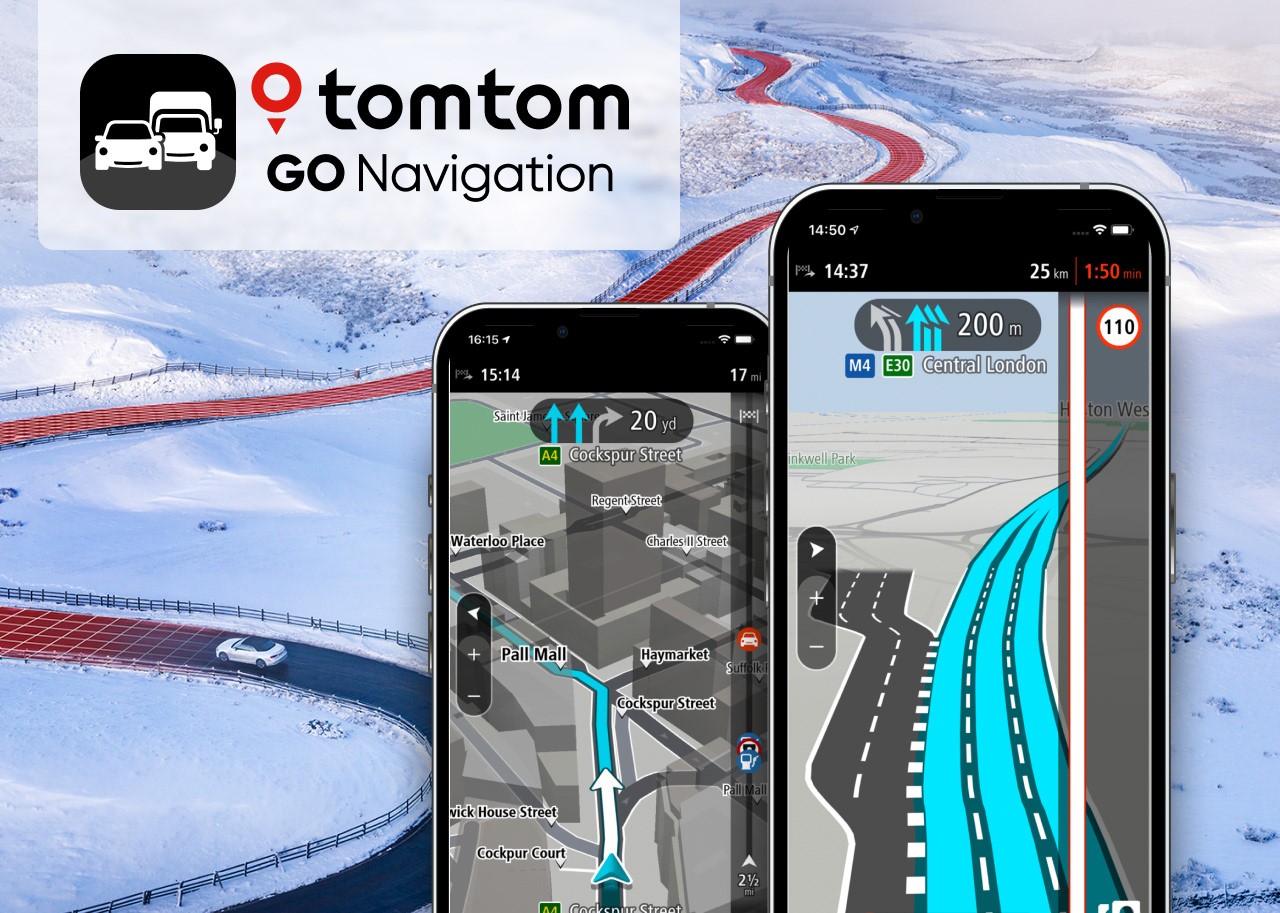
TomTom GO Navigation : T3 Award Winner & +85% Revenue Growth
As the responsible designer for onboarding experimentation on TomTom GO Navigation (now GO Expert), I drove +85% app revenue growth through a structured experimentation programme. I contributed to the cross-platform design system, delivered Lottie animations to enhance product quality, and led the design of the Vehicle Profile feature for professional drivers. The app won the T3 Award for Best Paid Sat Nav in both 2022 and 2023.
Tools used






Design System Integration
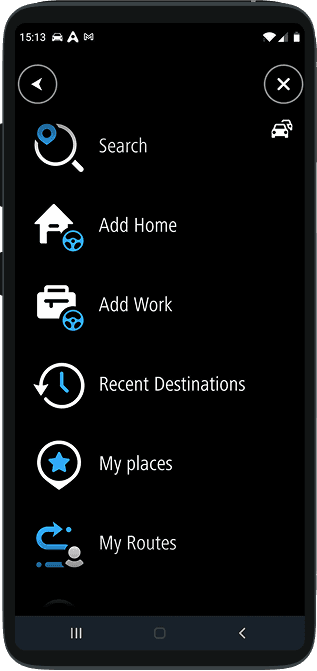
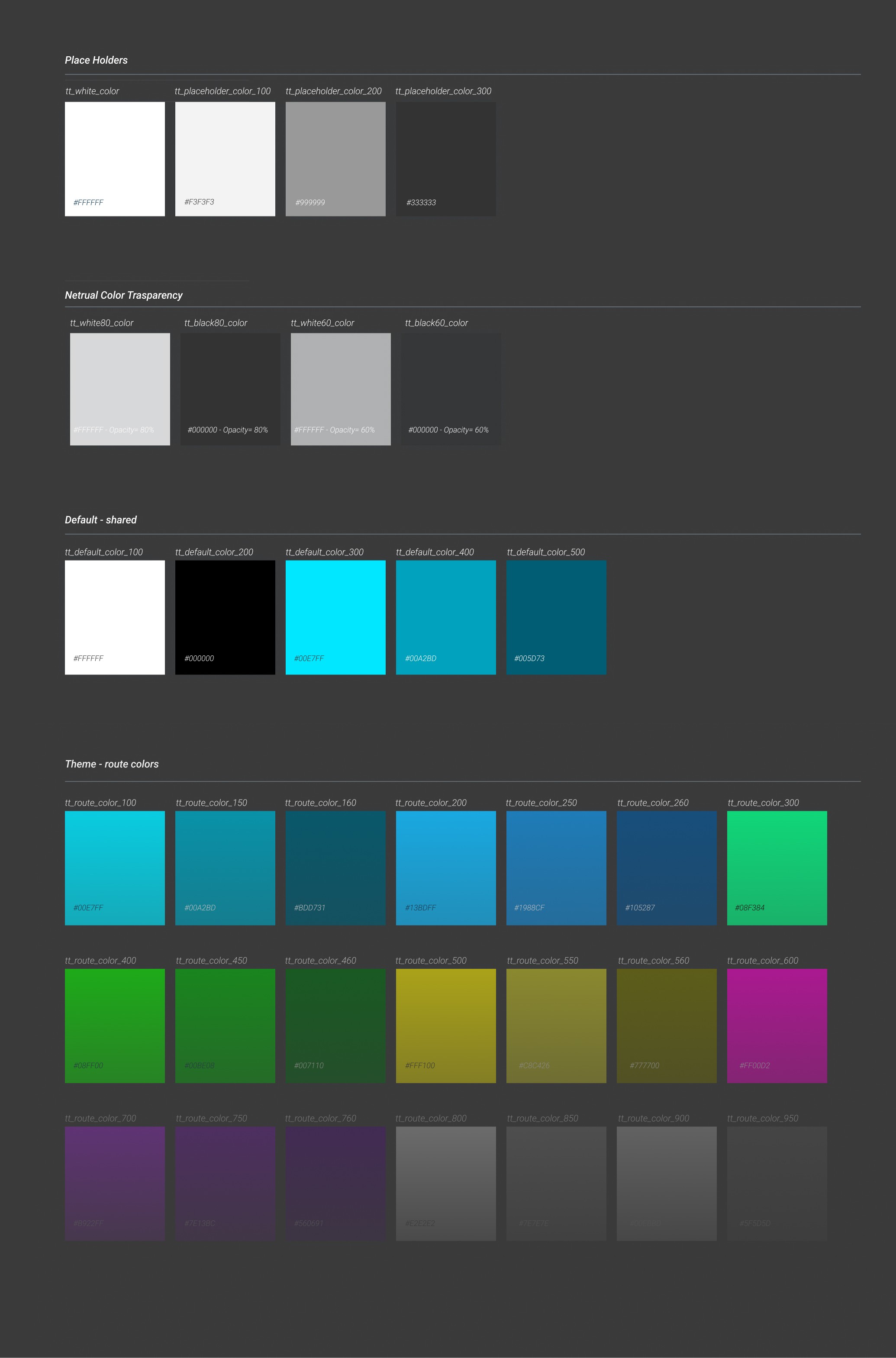
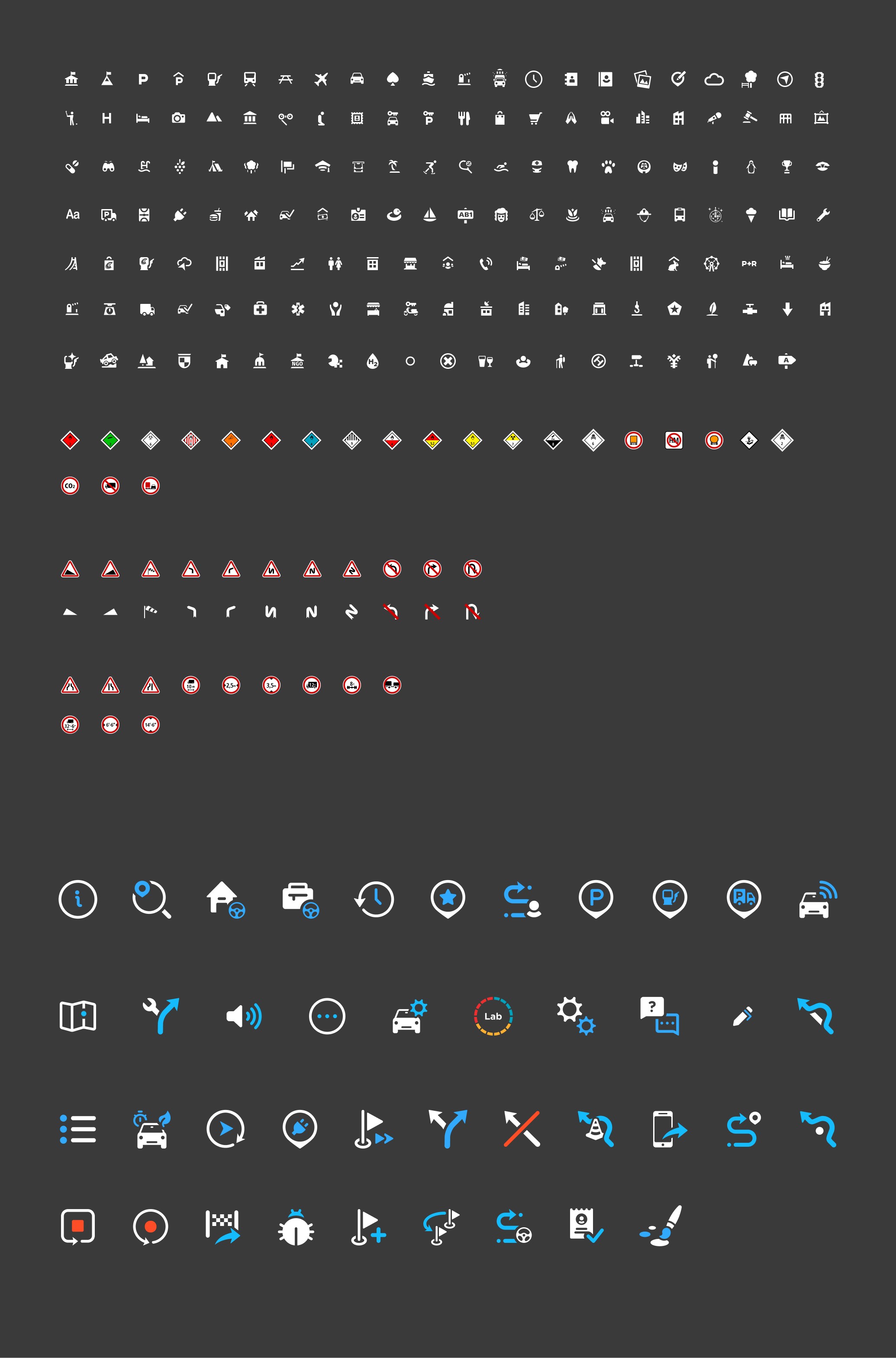
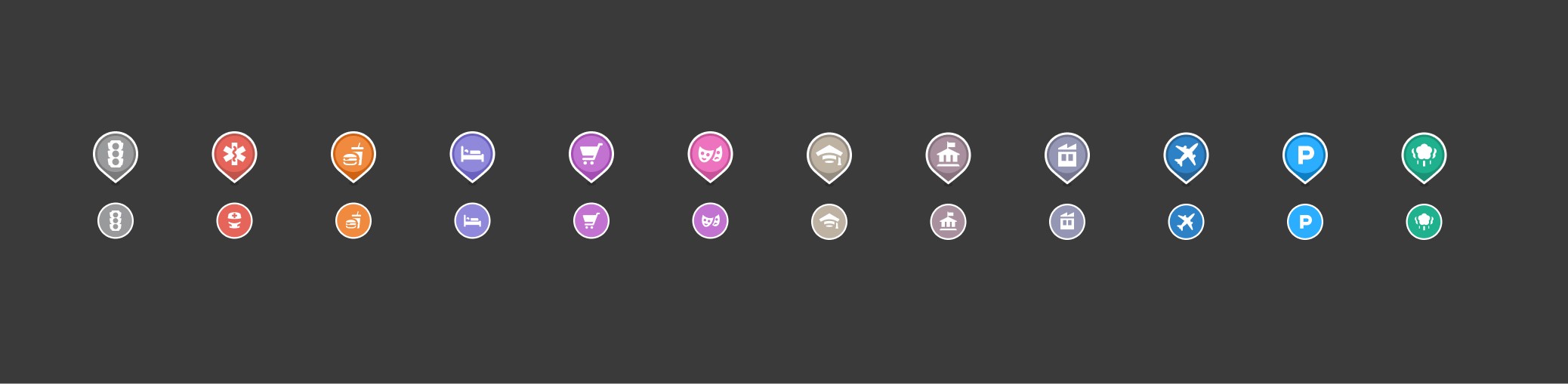
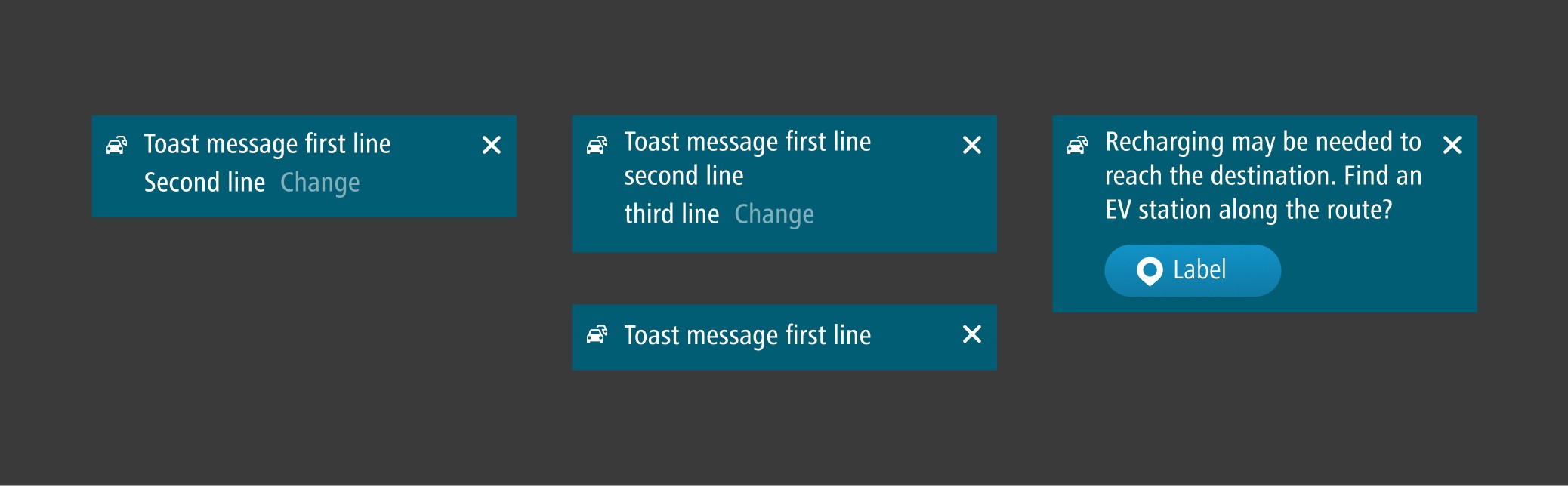
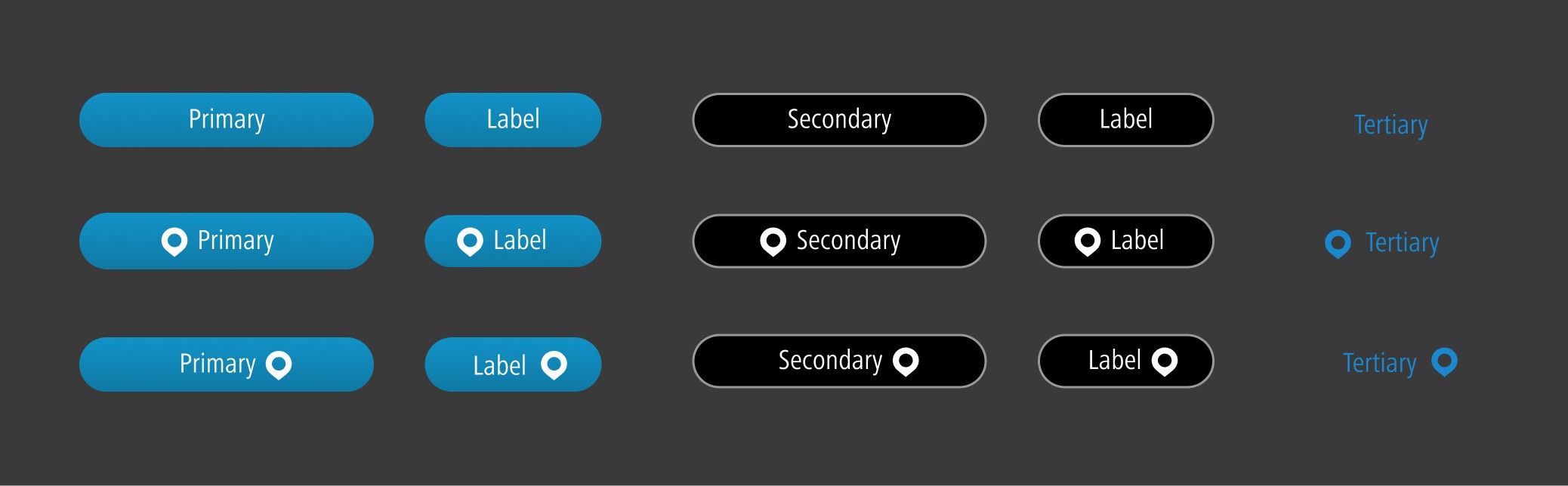
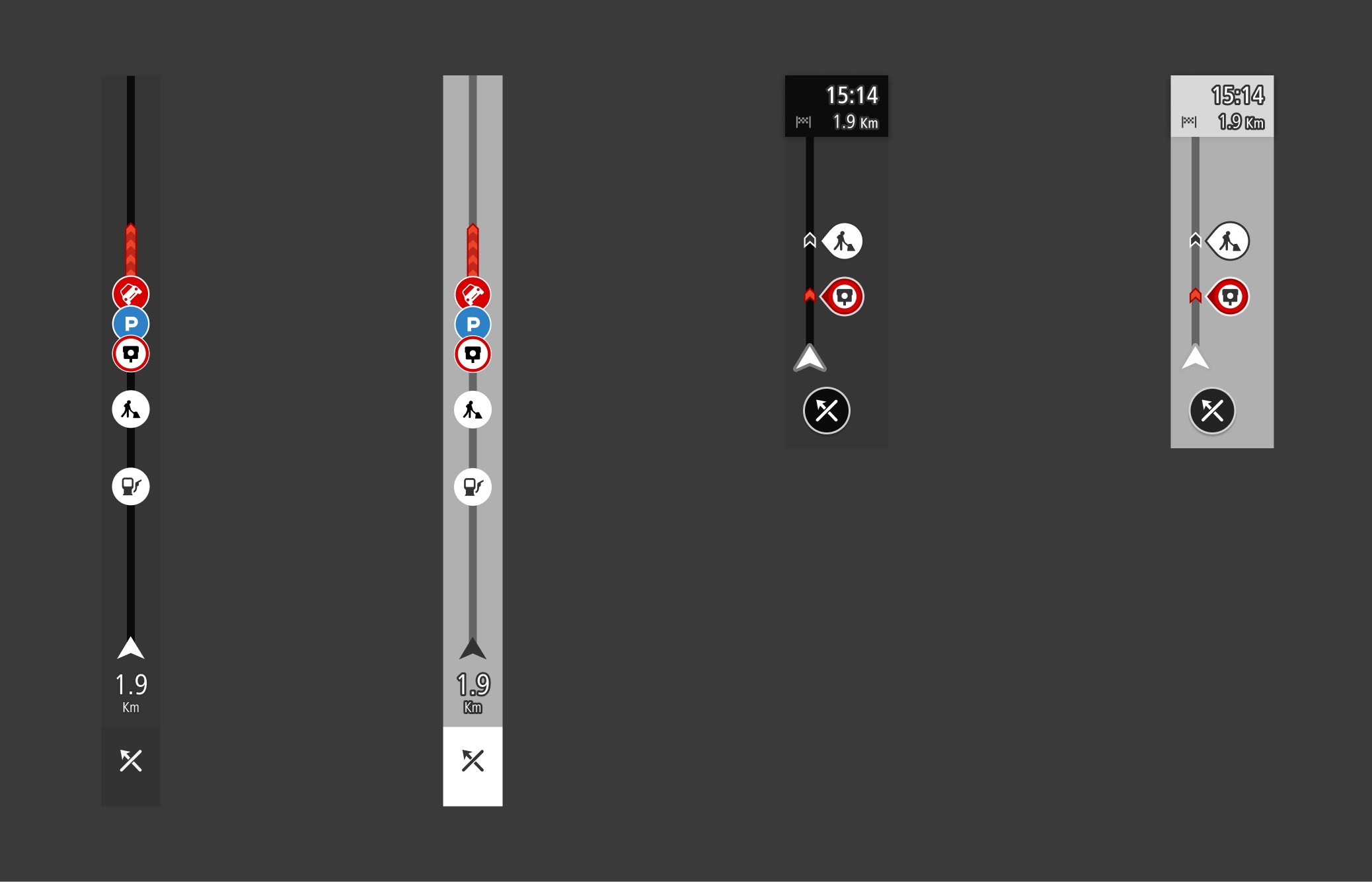
In this project, I contributed to integrating and improving components within the existing TomTom GO Navigation design system. Although the components were somewhat old-fashioned, they had never posed significant issues for users. The approach was to maintain the existing style while ensuring that the components continued to function effectively within the app. By focusing on consistency with TomTom’s GoNav brand guidelines and optimizing usability, I ensured a intuitive user experience throughout the app.
Design decision: Preserving design continuity was more valuable than novelty here. The existing components had strong user familiarity and no usability complaints, modernising them would have added risk without measurable benefit. By maintaining the established system, I directed effort toward higher-impact areas: onboarding experimentation and multi-platform expansion. A deliberate trade-off, not a limitation.
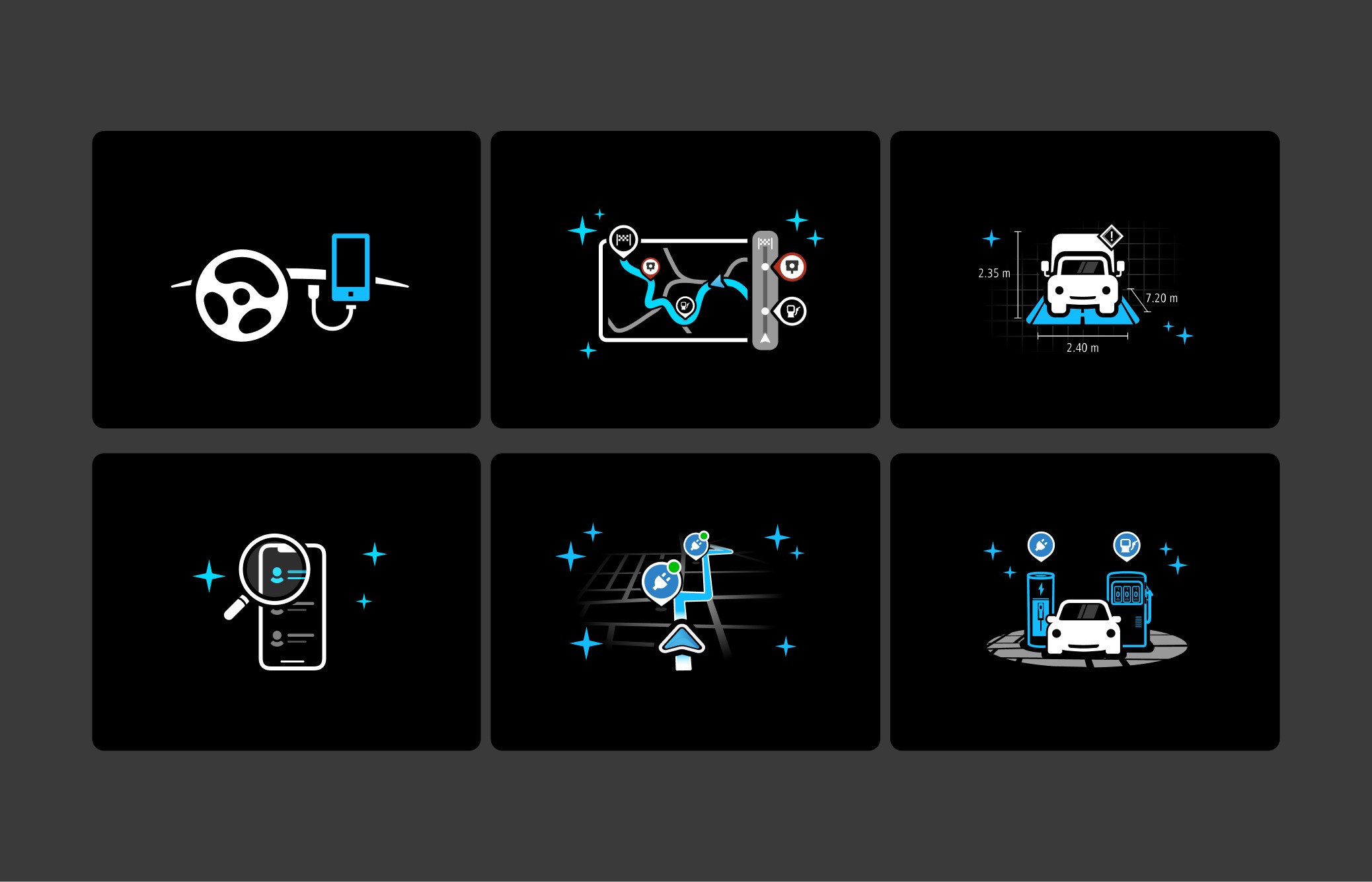
DESIGN SYSTEM: LOTTIEFILES ANIMATIONS

Onboarding Experimentation
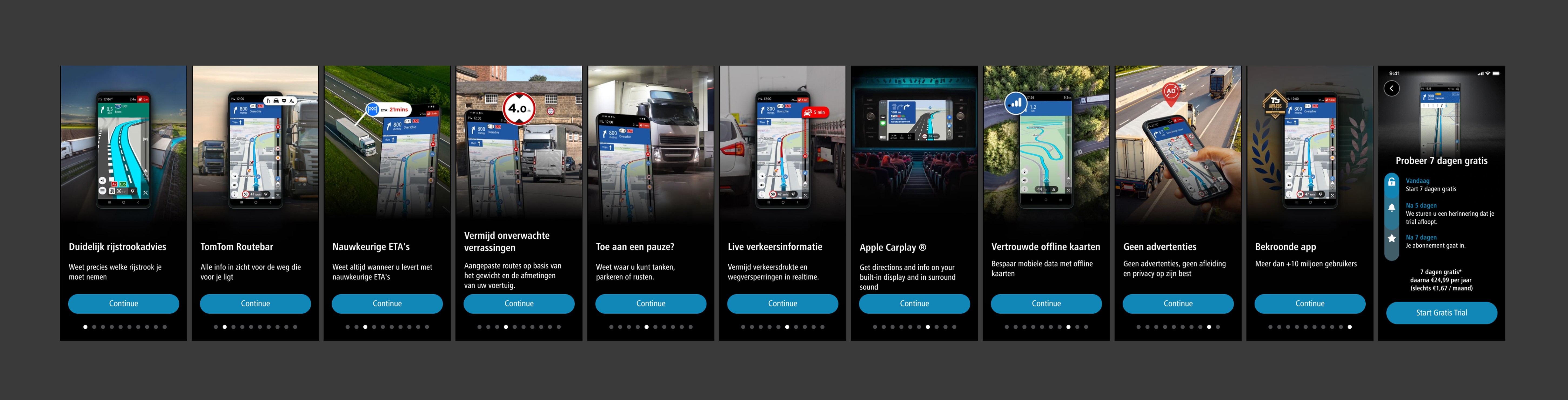
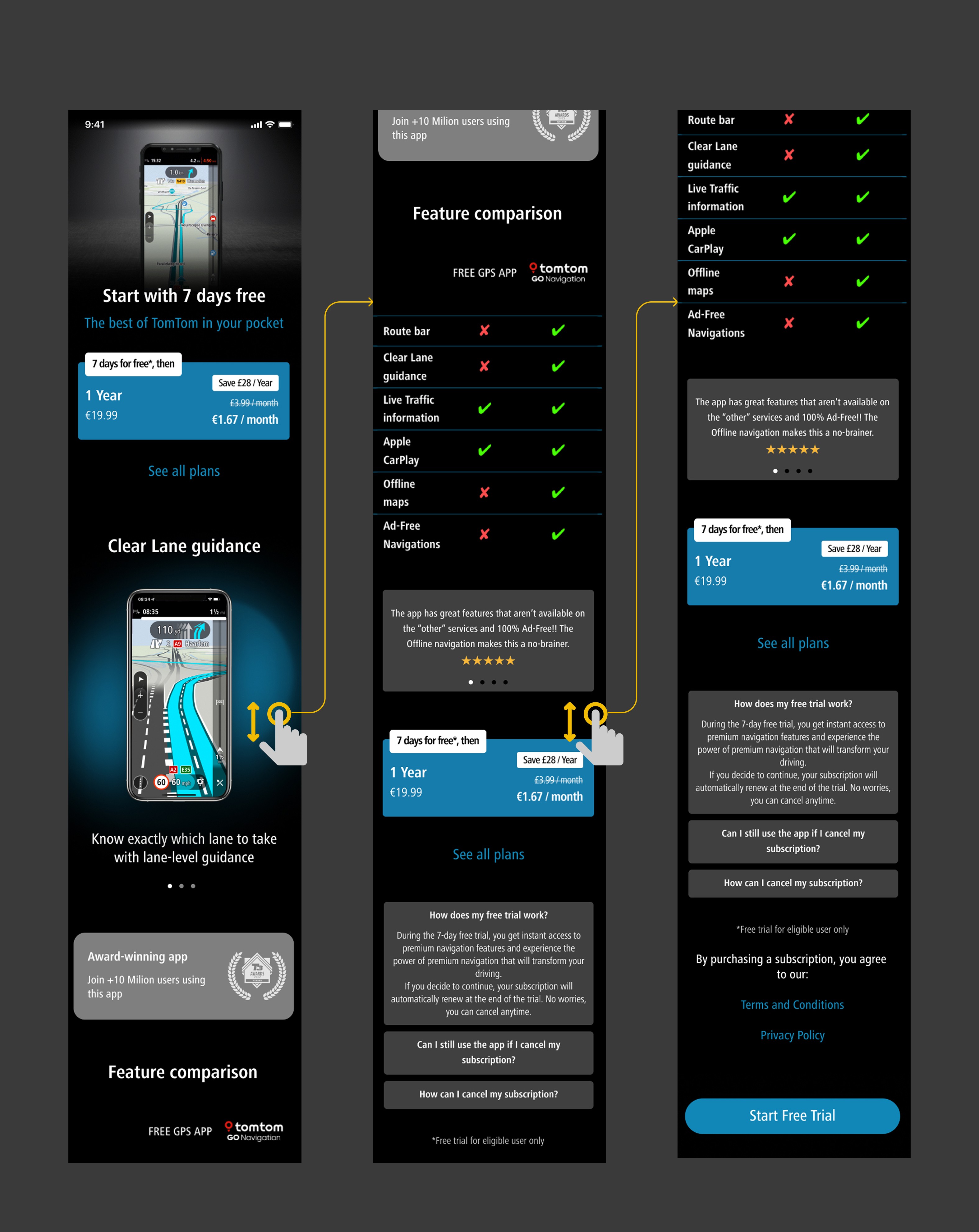
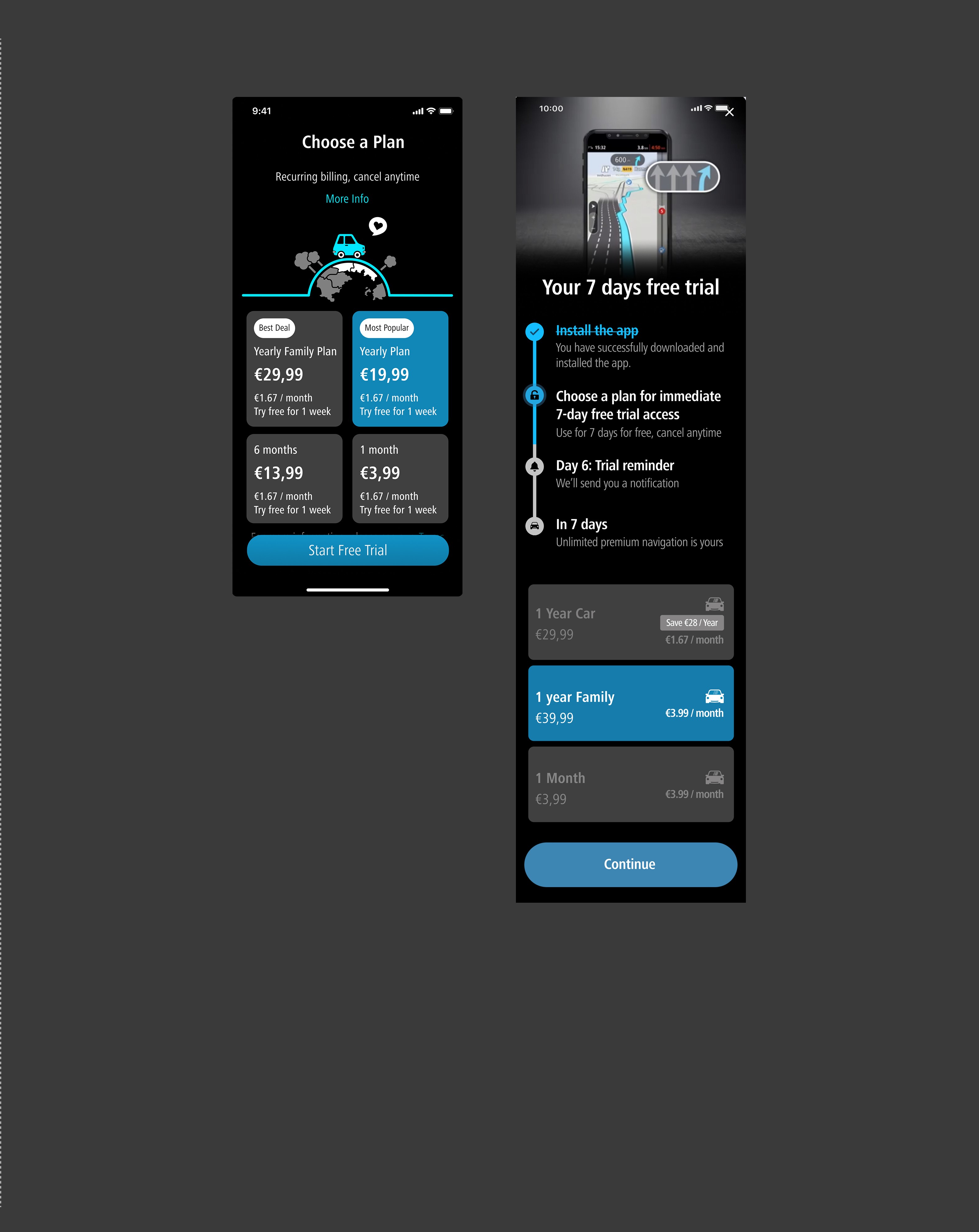
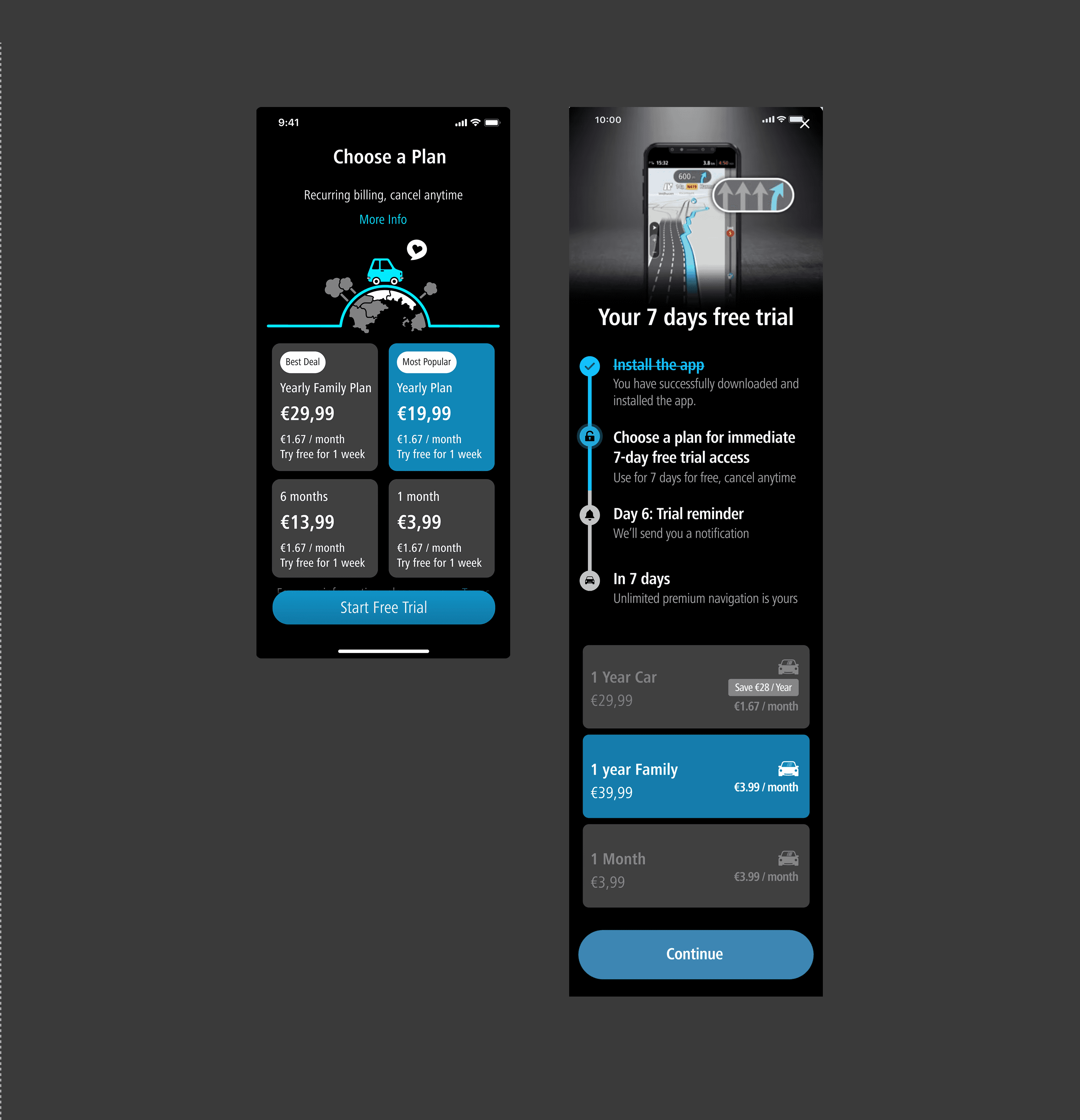
To differentiate TomTom GO Navigation against free alternatives like Google Maps, we ran a structured onboarding experimentation programme (200+ experiments) using Purchasely, testing pricing models, copy variations, and visual elements globally across four quarters, in close collaboration with the marketing growth team.
Our key achievements includes:
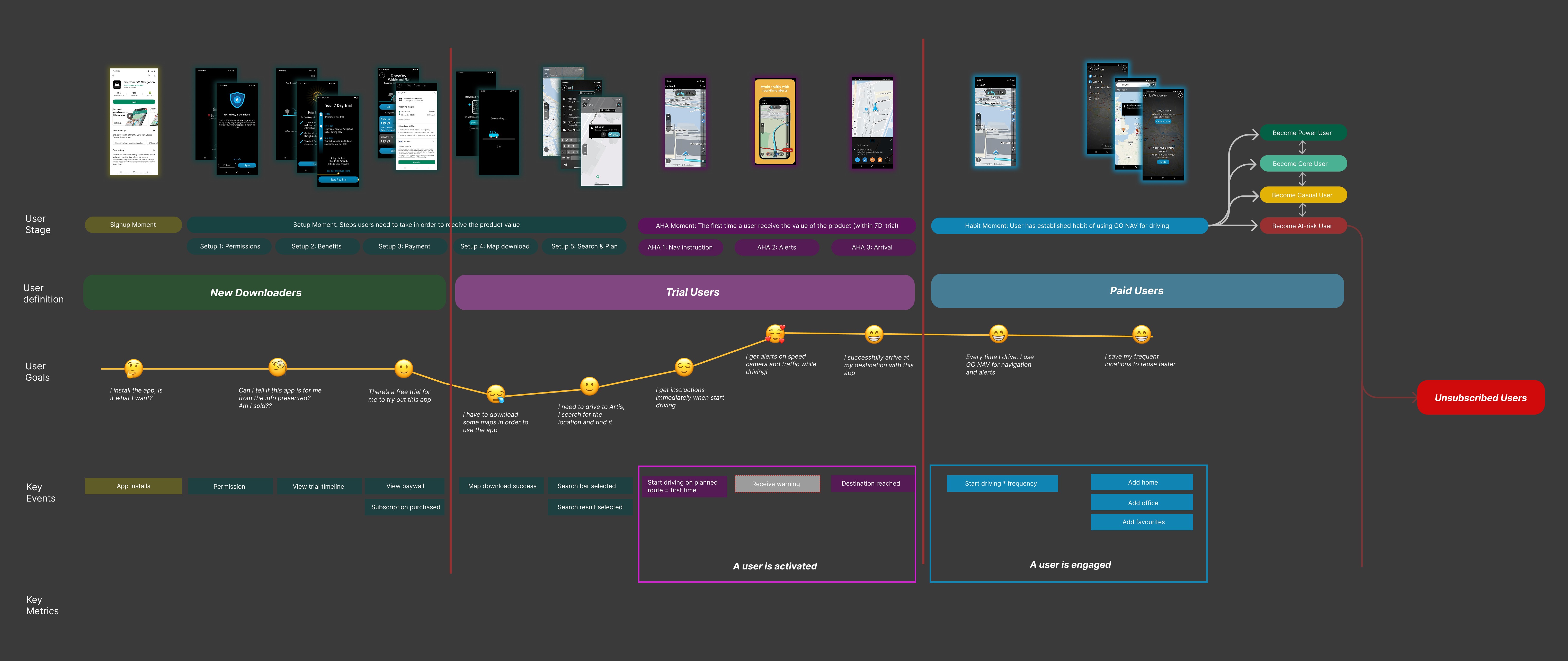
Workshop Insights: Emotional Journey of the Old Onboarding
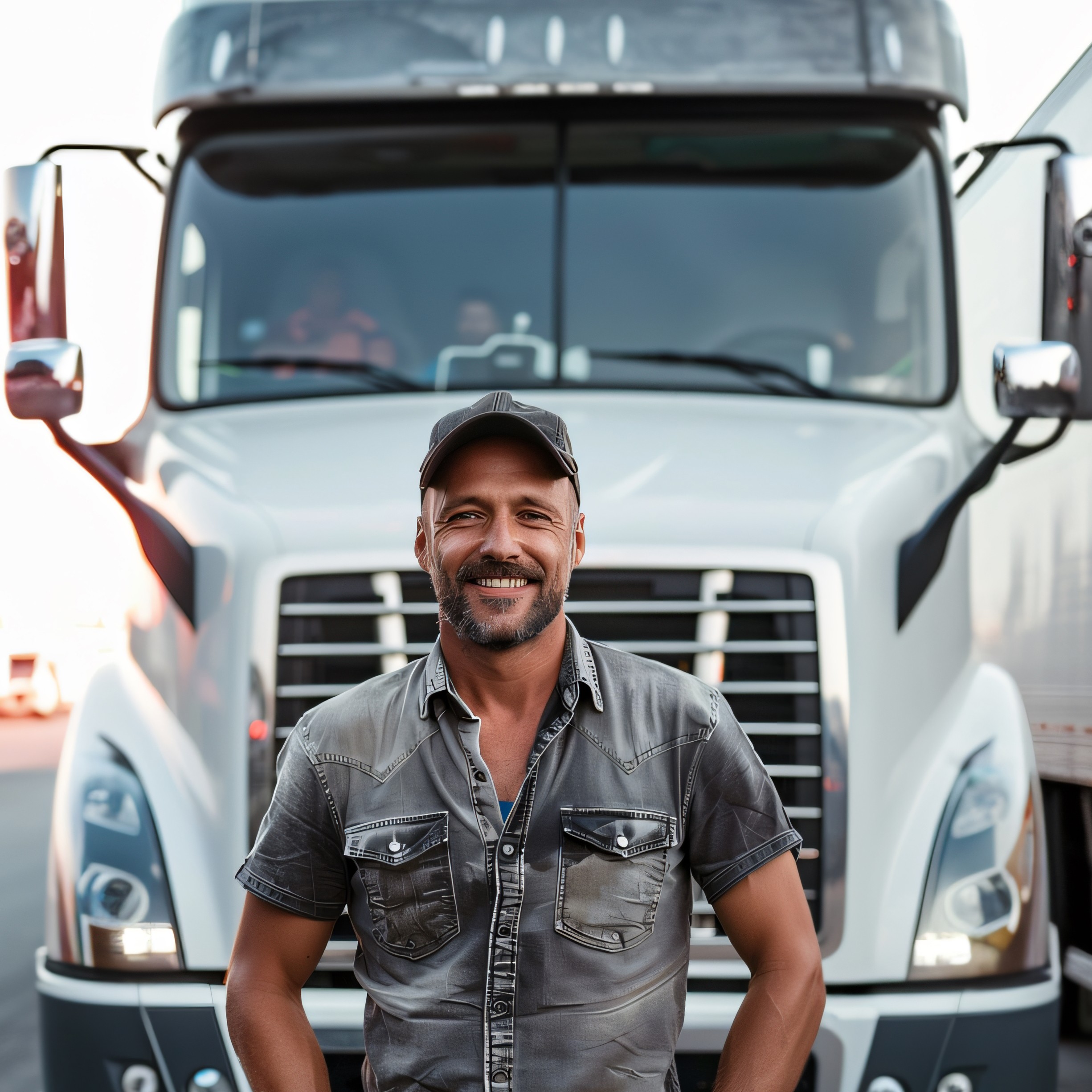
Vehicle profile Designed for Professional Drivers
The feature shipped with full support for truck-specific route parameters: dangerous goods routing, vehicle weight and height restrictions, speed limits, and driving time regulations, directly addressing the top pain points raised in research.
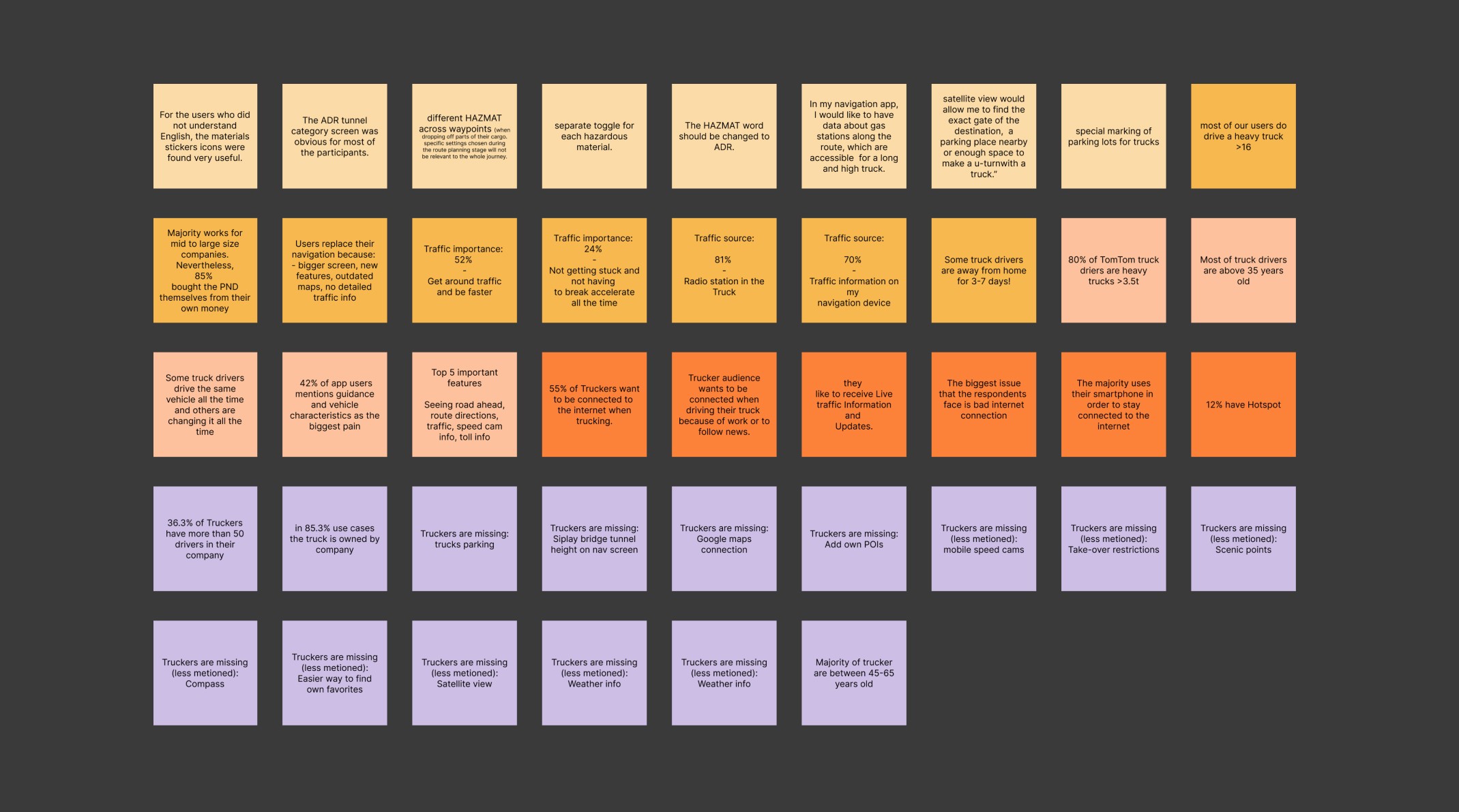
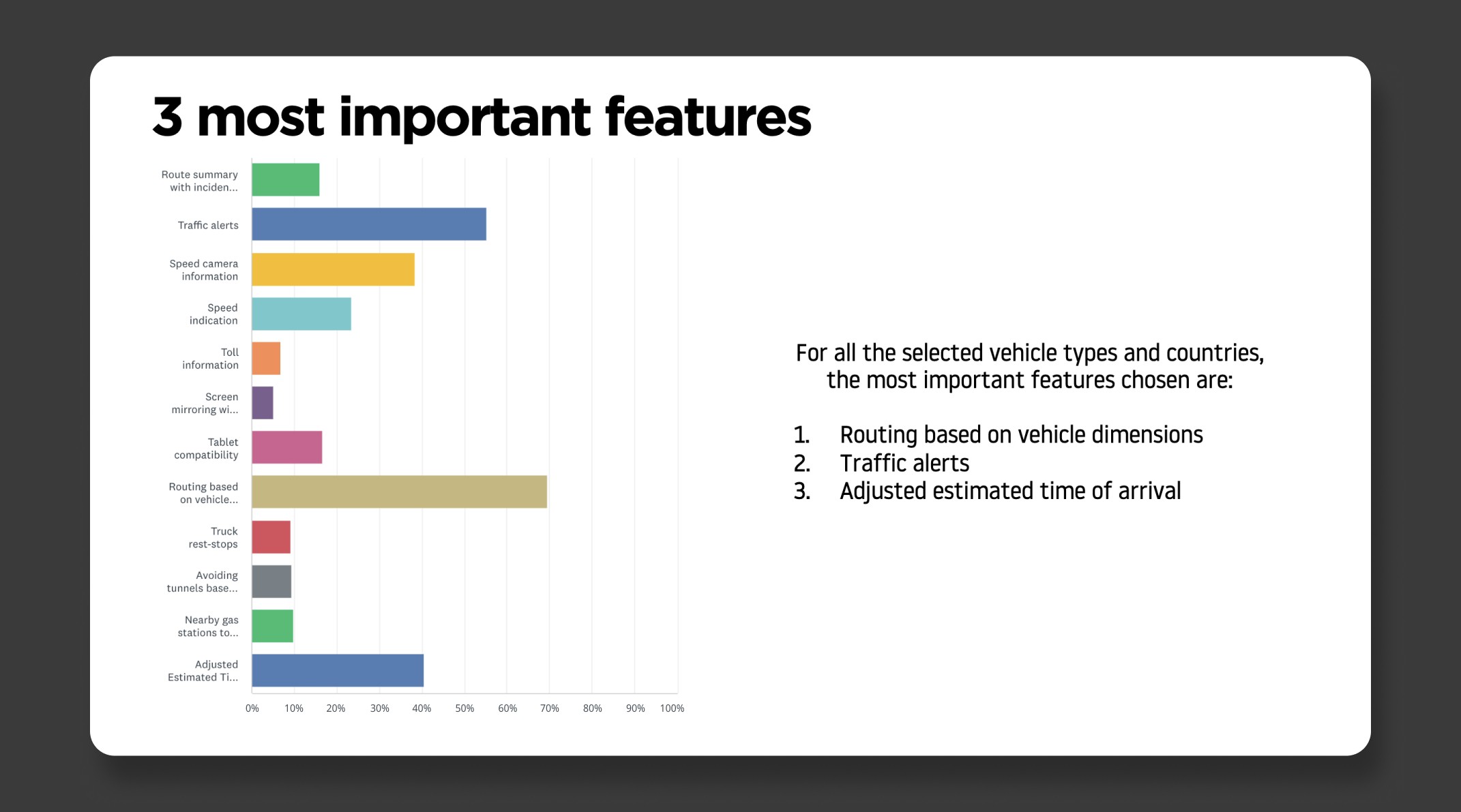
Testing Vehicle Profile With Real Drivers
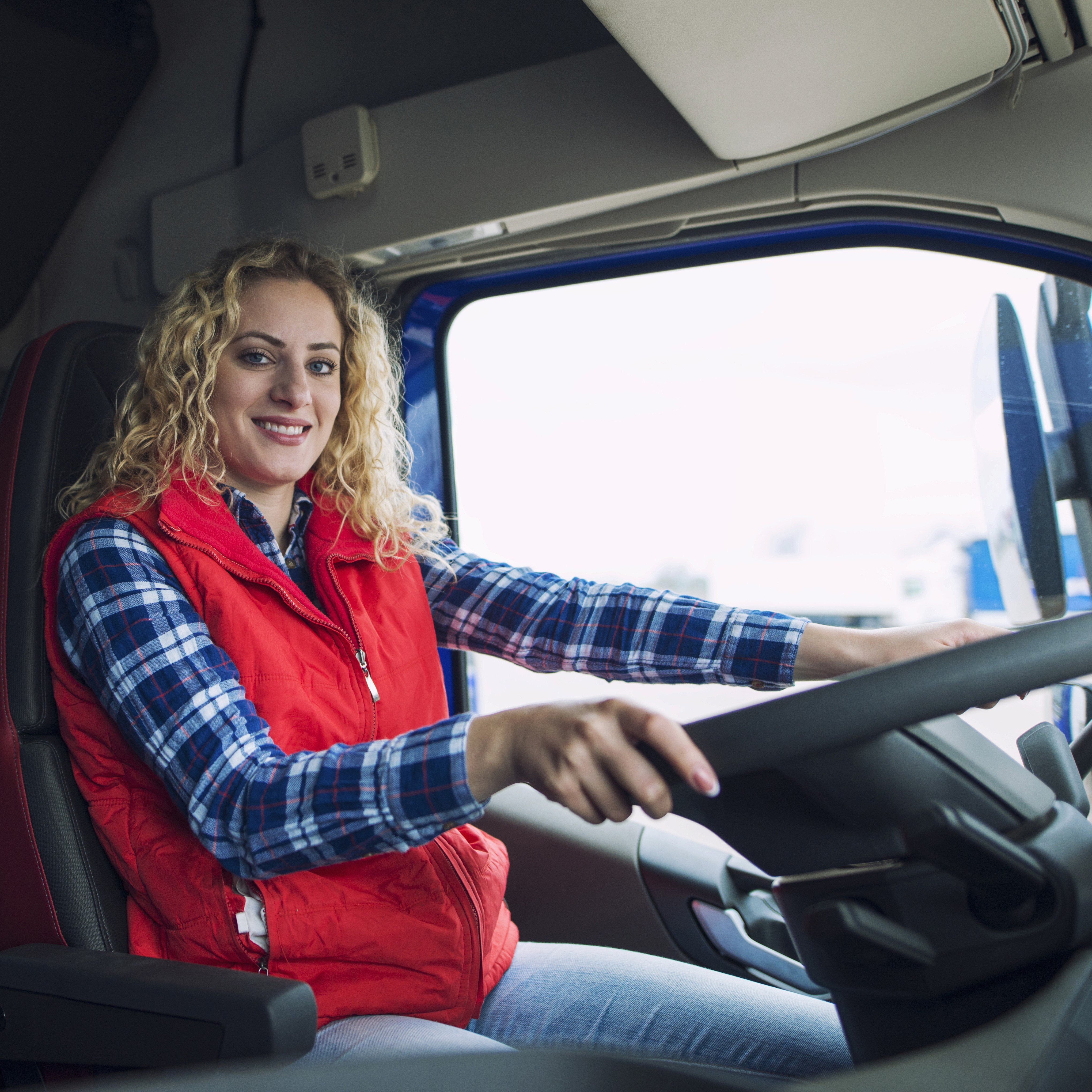
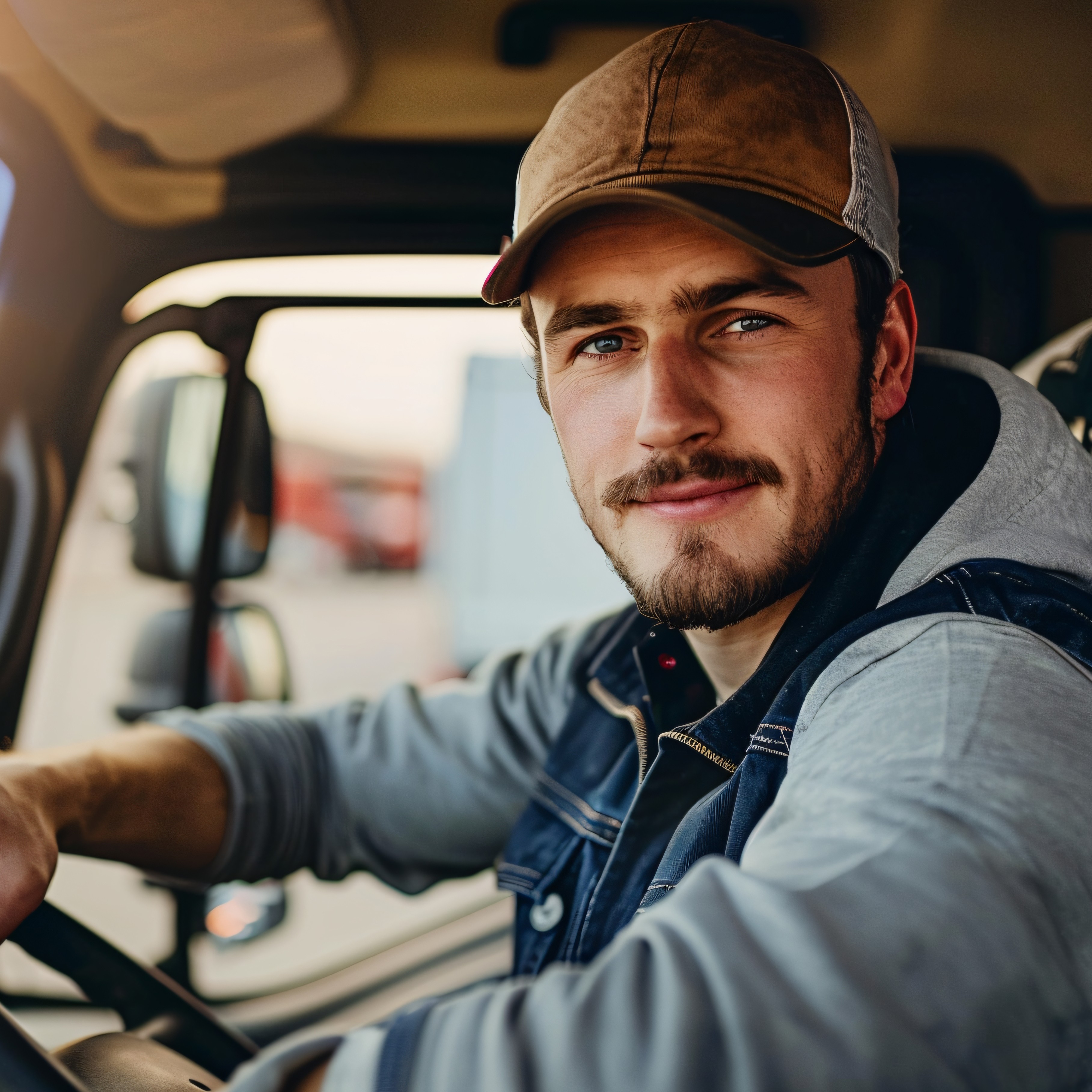
To refine the feature further, I conducted extensive user testing, where real users interacted with the prototype. Feedback from these sessions highlighted areas for improvement, such as ease of input for vehicle details and clarity in the route suggestions. These insights allowed for adjustments that made the feature more intuitive and practical for the target audience.
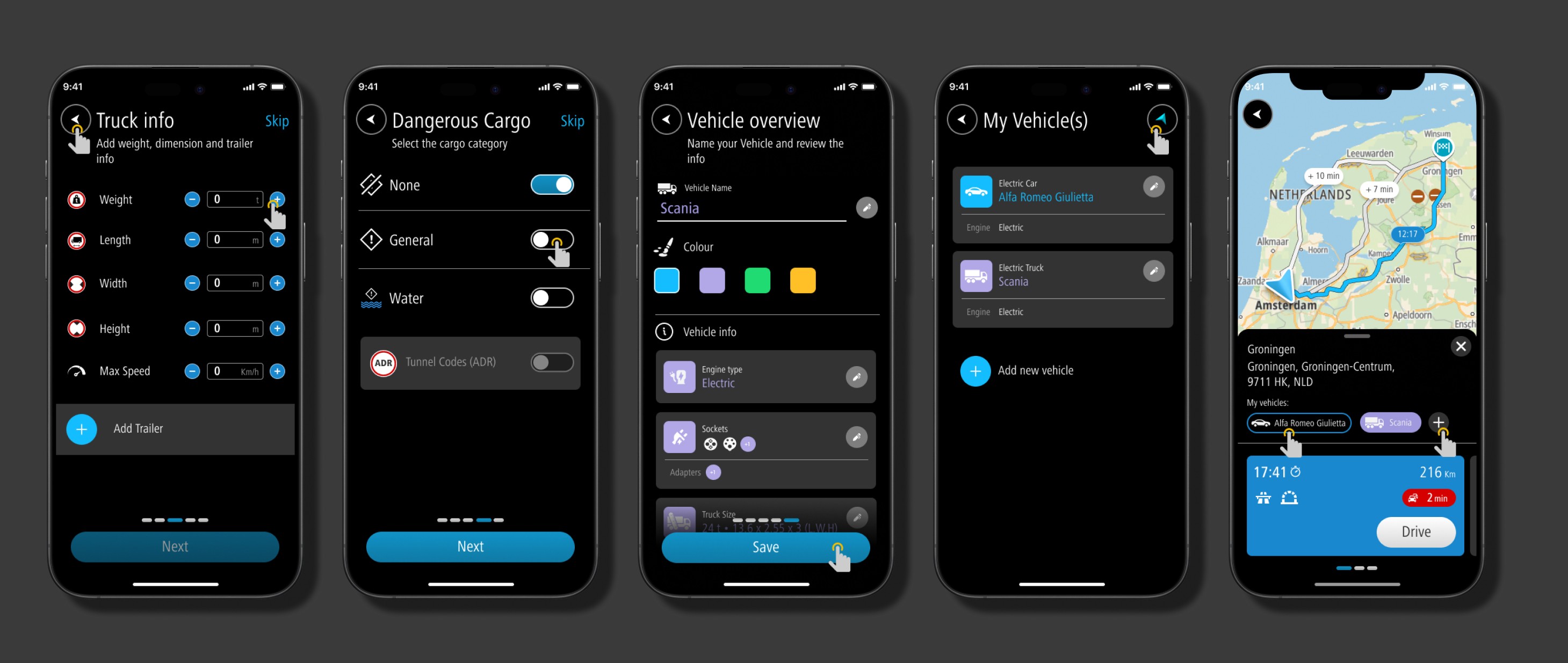
figma prototype
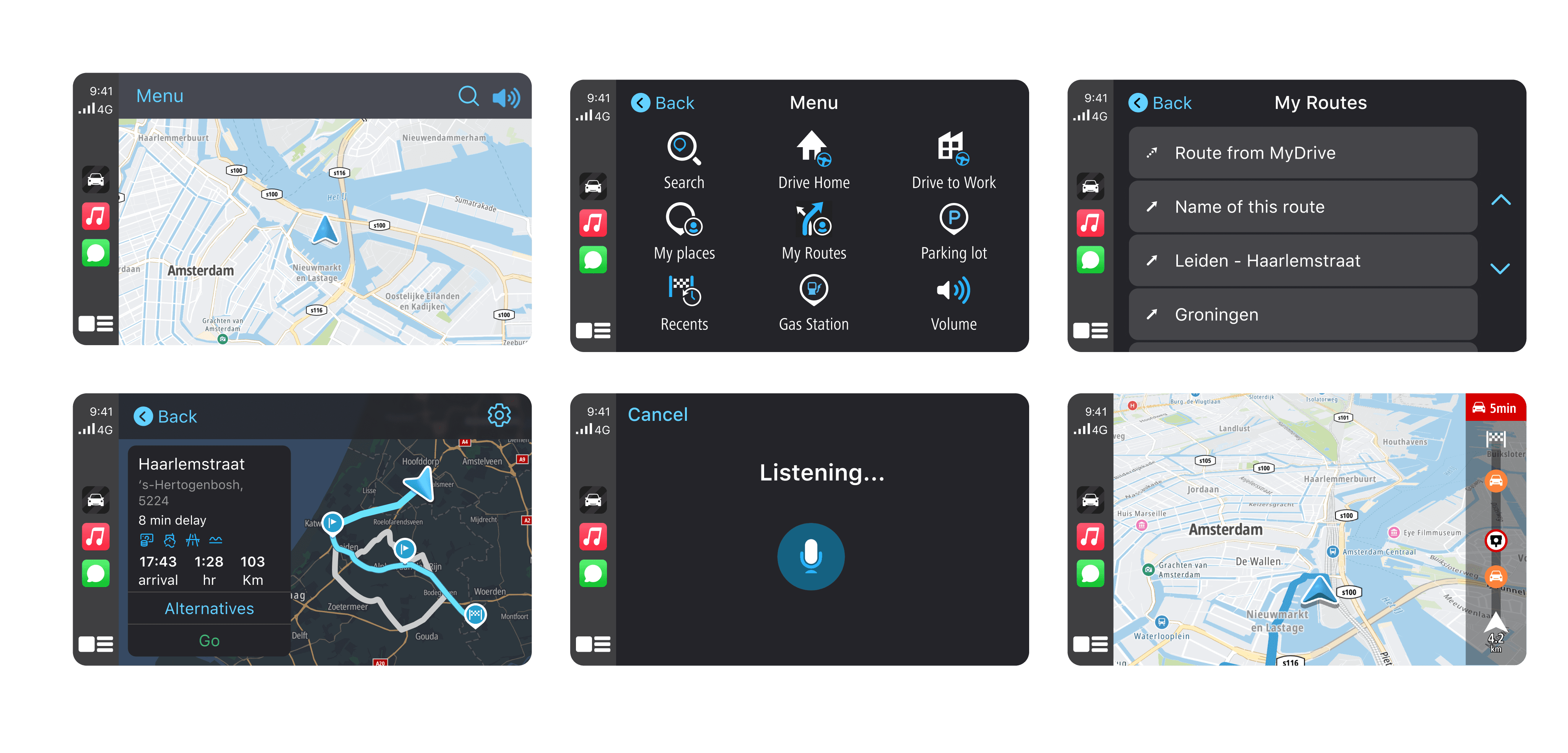
CarPlay & Android Auto. Navigation That Stays in Its Lane
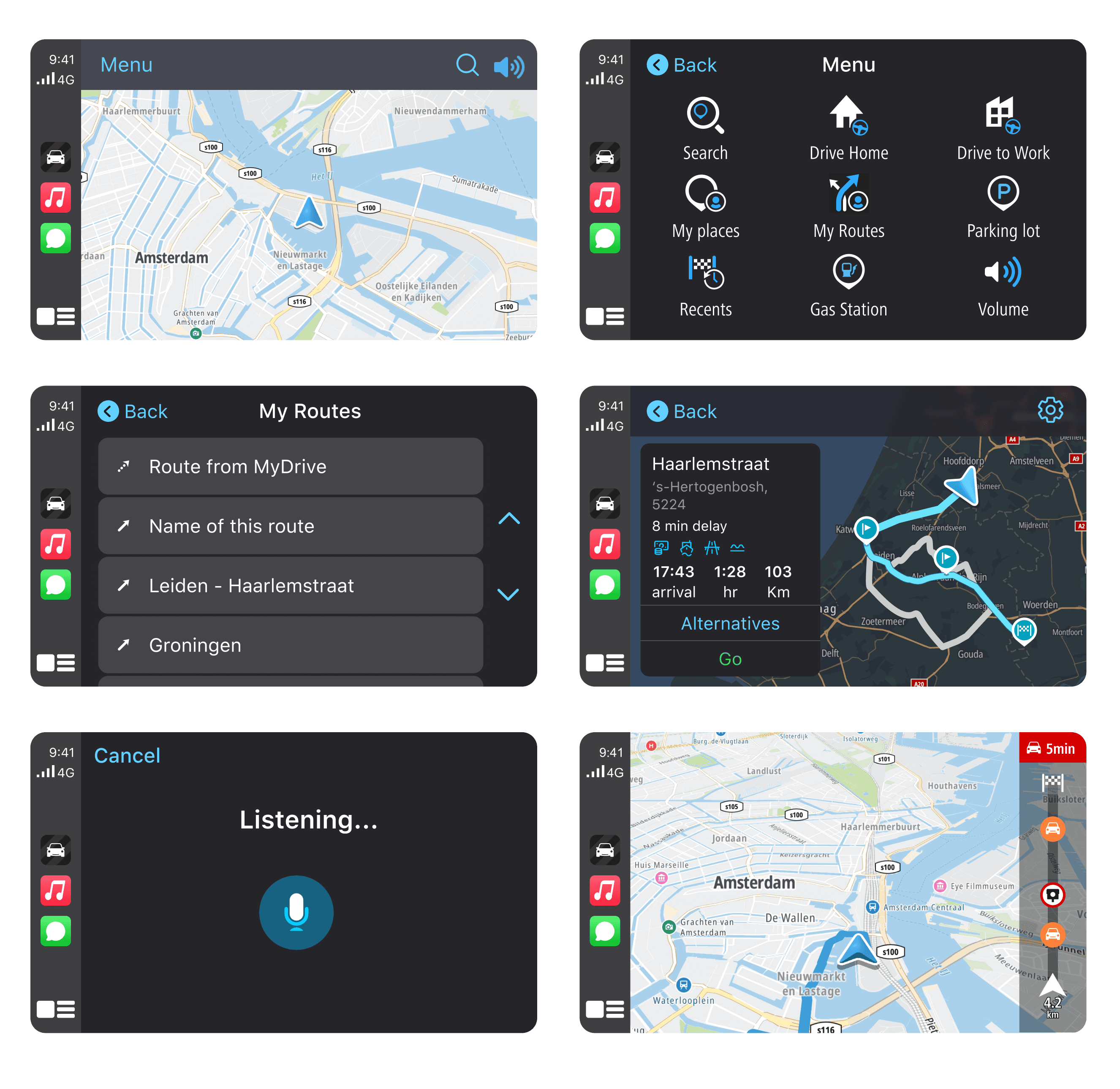
Expanding to CarPlay and Android Auto isn't adapting mobile screens, it means rethinking interactions entirely. These platforms restrict complex touch gestures, require voice-aware mental models, and must meet strict in-vehicle safety requirements. Working closely with engineers, I stripped navigation to its essential actions, maintained feature parity with mobile, and met both Apple and Google certification requirements.
Lesson Learned
Experimentation only works if the infrastructure is right first. The speed and quality gains we achieved with Purchasely required alignment across marketing, engineering, and analytics, not just a new design tool. What I would do differently: instrument the measurement framework before running the first experiment, not alongside it. Design without measurement is decoration.

ask
Nick AI