year 2025
Key contribution
UX/UI - website
user testing
RESEARCH & DISCOVERY
Feature development
design system
design Operation
Result
//
overview
//
European Space Agency, Science Platform Redesign.
ESA's Science Directorate was losing digital authority to third-party sources, users couldn't find credible information, and search traffic was drifting away from official channels. I designed a strategic UX pilot platform (website) that reclaimed 10,000+ users, re-established ESA as the primary source for space science, and became the tool used by ESA's Director of Science, Carole Mundell, to present the Science Programme at the CM25 Ministerial Council, directly supporting approval of €3.7B in Science Programme funding.
Tools used











THE MISSION
//
A Strategic Tool for Global Funding.
For CM25, I designed a strategic UX pilot website to reframe how European space science is communicated, making complex programme data accessible and credible for policymakers. The platform was used by ESA Director of Science Carole Mundell in the ministerial presentation, directly supporting approval of €3.7B in Science Programme funding, a 3.5% annual increase through 2028.
CHALLENGE
//
Legacy Silos vs A Source of Truth.
ESA’s Science Directorate content was fragmented across platforms like SciTech and Cosmos, making it difficult for users to find reliable, up-to-date information. This lack of a unified experience reduced discoverability and often pushed users toward third-party sources, weakening ESA’s authority as the primary source of scientific knowledge.
CONSTRAINT
//
Strategic Clarity Under Pressure.
With a hard six-month deadline ahead of the CM25 Ministerial Council, the project required a high-impact solution capable of supporting strategic decision-making. It needed to function as a decision-support tool during one of the agency’s most significant financial negotiations in history.
My Role
//
Bridging Science, Tech, and Politics.
As the UX/UI Designer and Design Operations lead on this project, I was the primary design voice across scientific, technical, and political stakeholders, responsible for product vision, the end-to-end design system, and research synthesis. Additionally I introduced structured rituals, retrospectives, review cycles, and dev/design days, to streamline the workflow across ESTEC (NL) and ESAC (Spain).
Identifying the "Valley of Frustration".
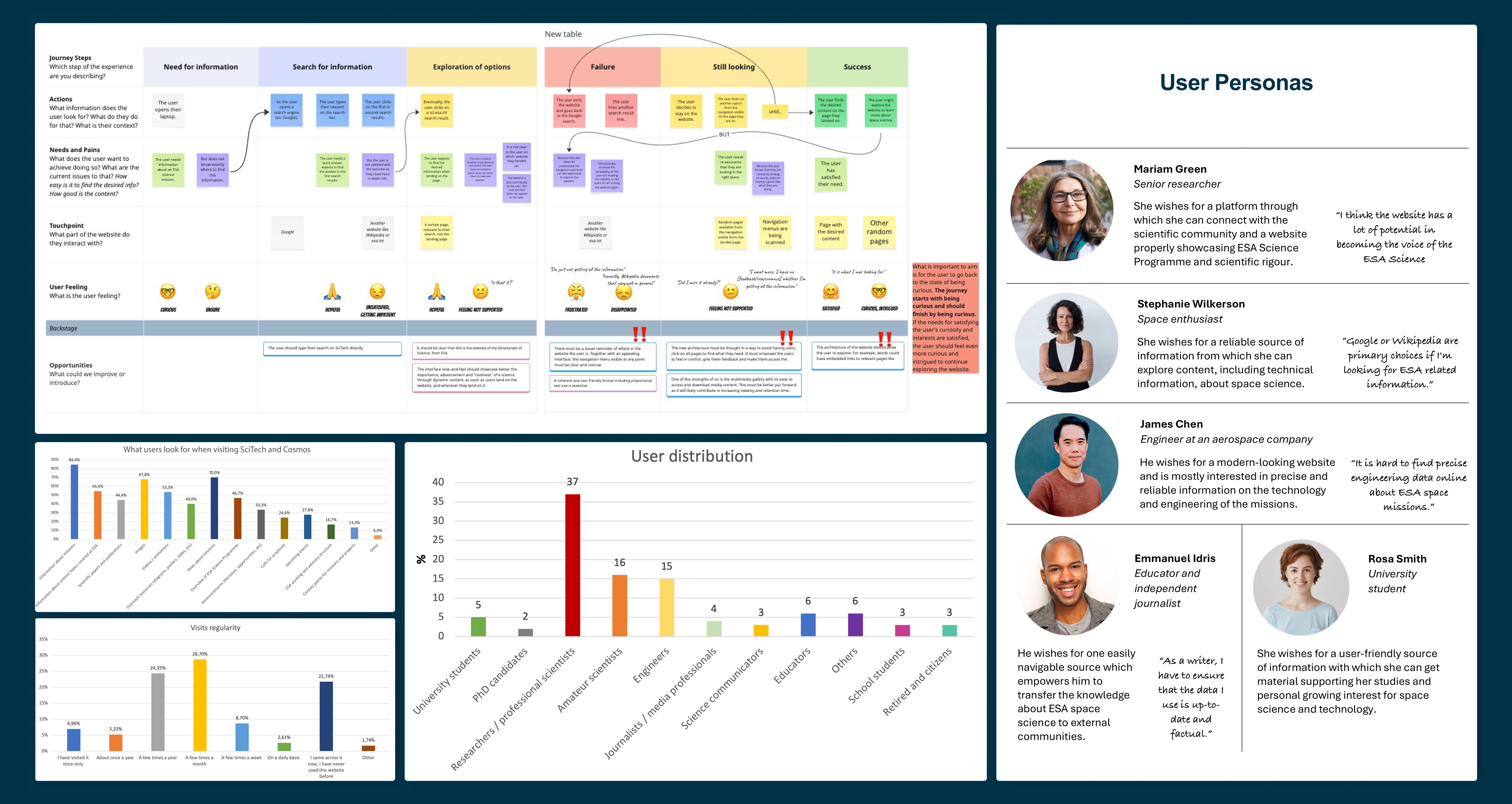
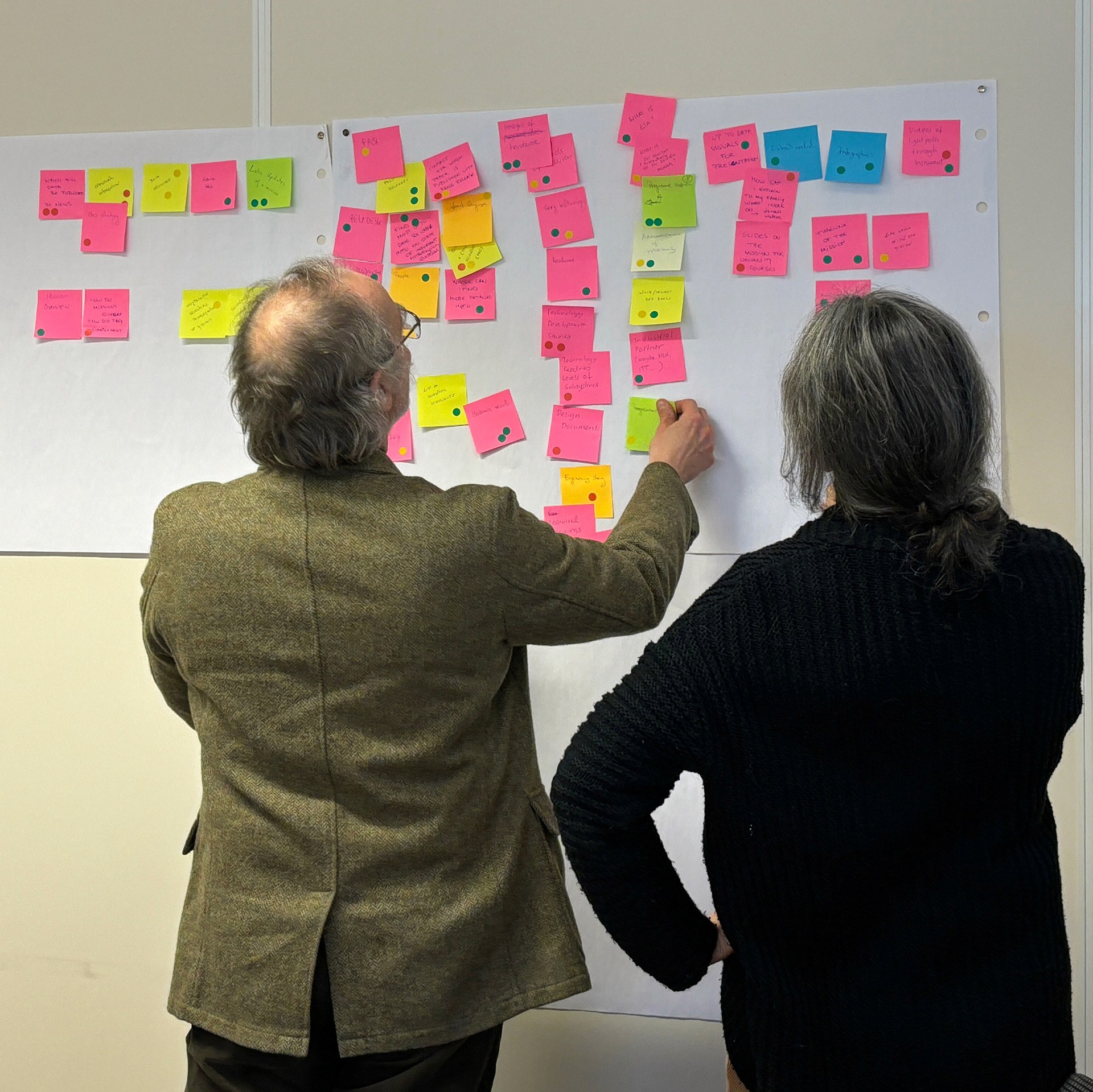
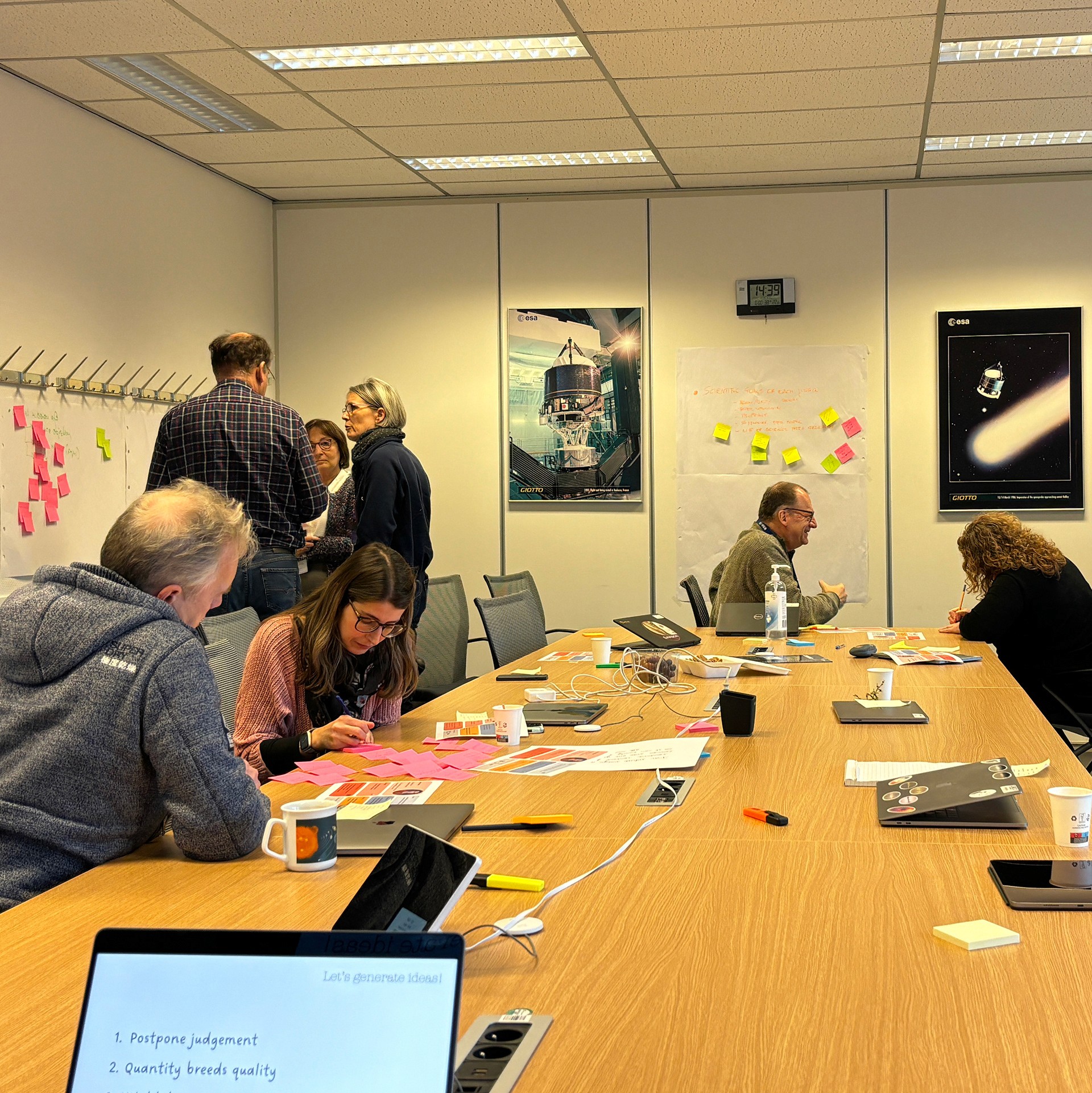
I led a comprehensive discovery phase involving 184+ participants, combining data-driven insights with human-centered research methods to understand not just what was broken, but why users were abandoning ESA’s platforms in favor of third-party sources.
Through workshops, surveys, and emotional journey mapping, I captured user pain points, motivations, and emotional context to inform platform strategy. I leveraged AI-assisted synthesis to cluster large volumes of qualitative feedback into actionable themes, identified the “Valley of Frustration” as a set of critical navigation dead-ends driving drop-offs, and defined user personas based on intent, technical needs, and decision-making context.
workshop and discovery
The Curiosity Loop Architecture.
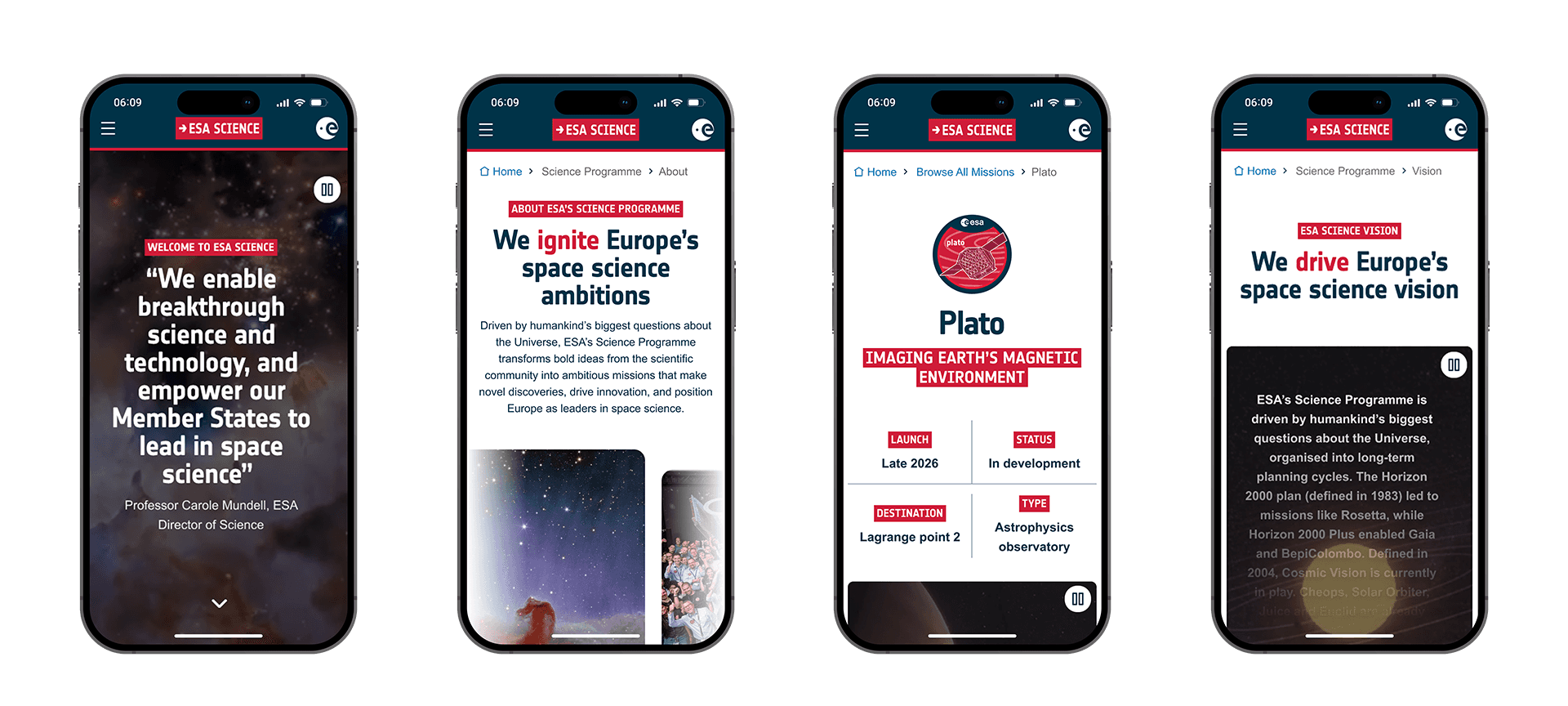
Rather than proposing a simple web redesign, I defined a Knowledge Infrastructure built around a “Curiosity Loop” to reshape how users engage with ESA’s content. Each interaction was designed for direct resolution, answering specific user questions with clarity, while also enabling guided exploration by proactively leading users to their next discovery. This approach helped reclaim authority by drawing users back from third-party sources into ESA’s official ecosystem, reinforcing its role as a trusted source of scientific knowledge.
workshop and discovery

The Science-First Design Language.
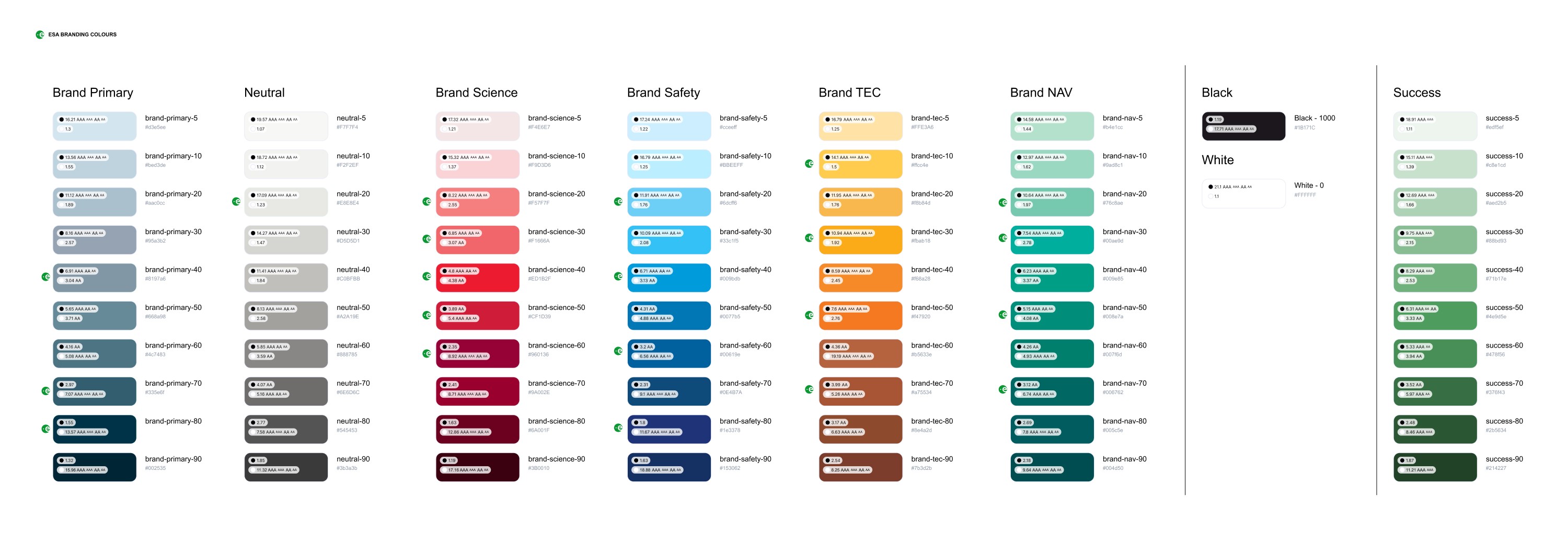
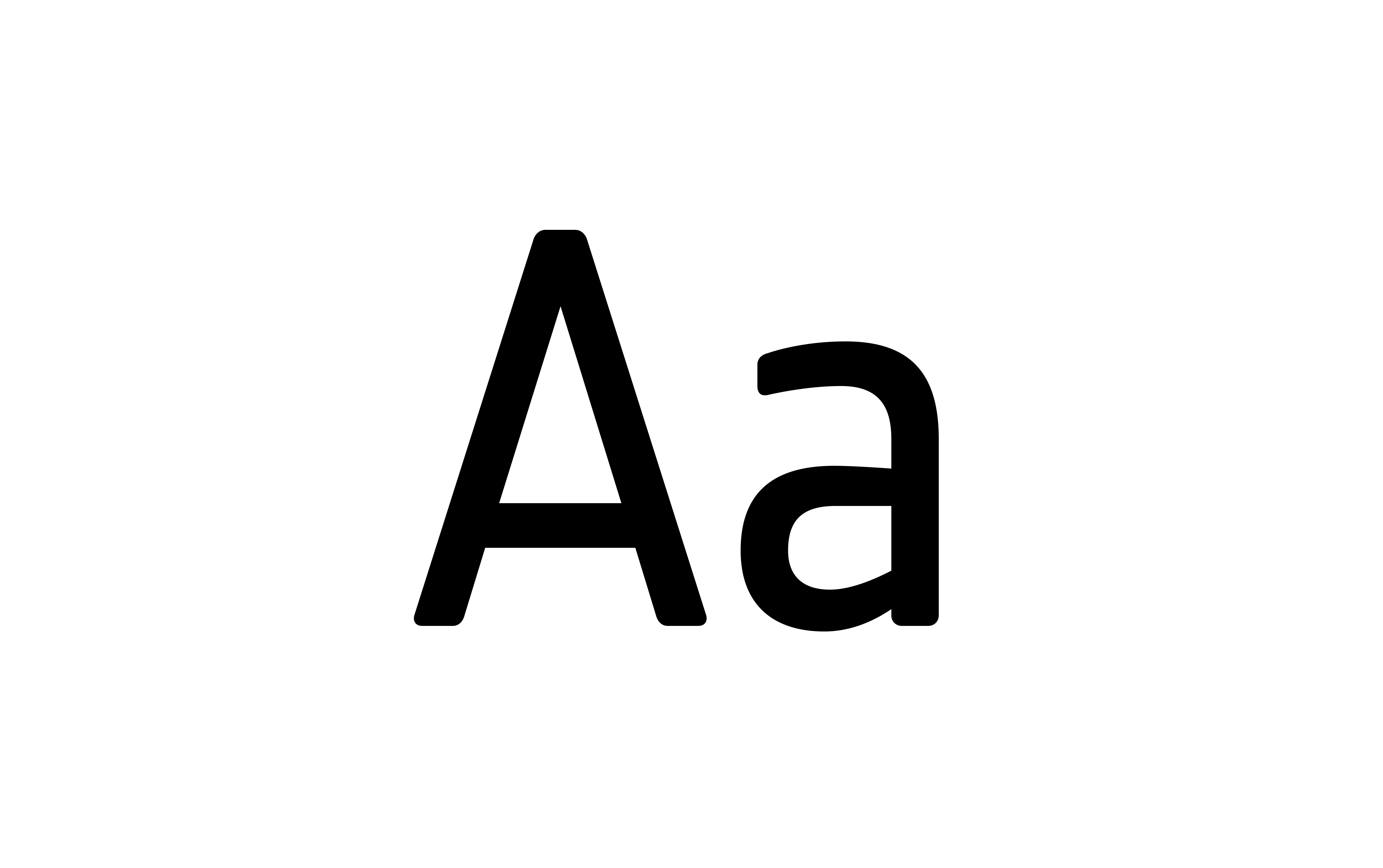
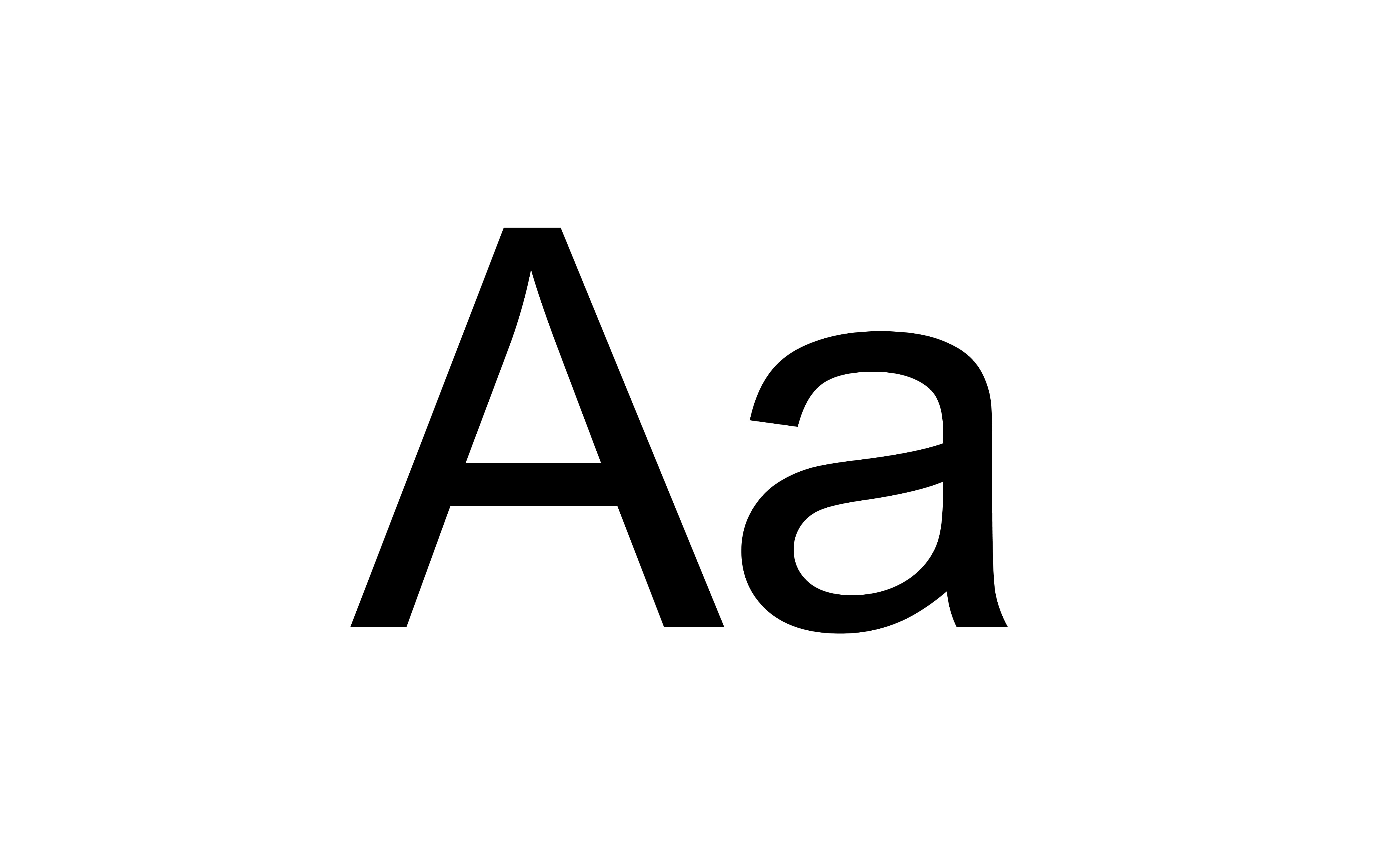
ESA's Science Directorate had no unified design language. I built one from scratch, primitives, typography, colour, components, and motion, to ensure every page could be assembled quickly, consistently, and in alignment with the platform's scientific authority.
design system: Primitives colour selections
design system: selection of components

Validating High-Fidelity Decisions.
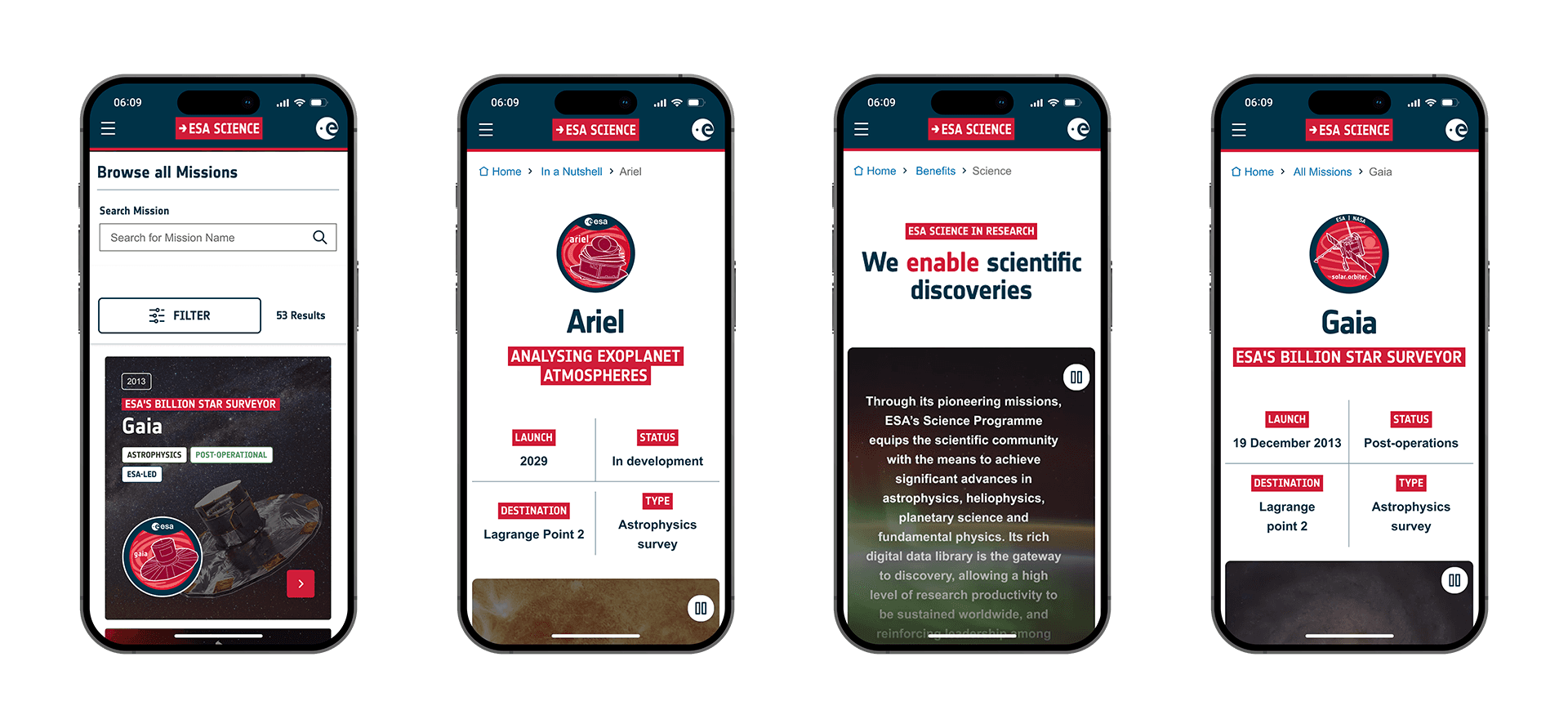
We prioritized high-fidelity prototyping and usability testing to validate design decisions before development, ensuring every element was intentional and effective. This approach enabled the integration of a unified design system in Figma, supporting scalable and consistent layouts, alongside a clear content hierarchy that emphasized what matters most and why.
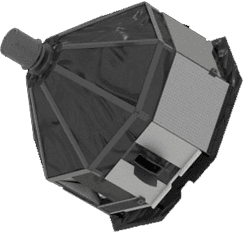
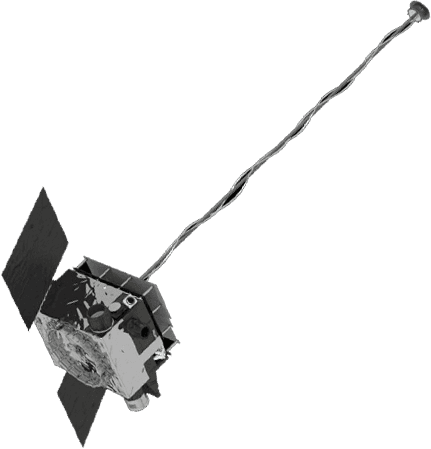
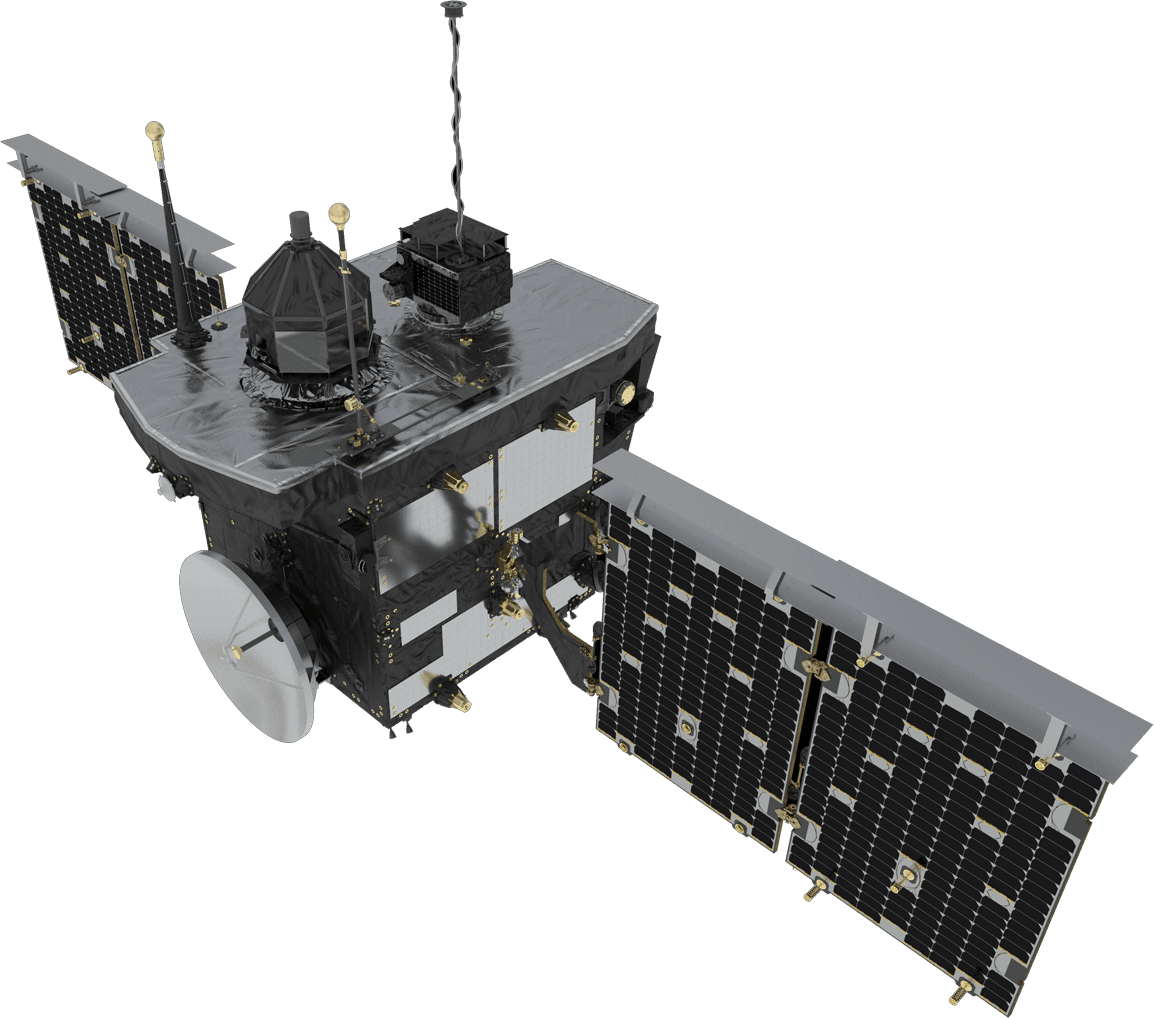
Interactive scientific hotspots used progressive disclosure to let users explore complex satellite instruments without overwhelm, while animated mission timelines transformed technical roadmaps into clear temporal narratives. Functional motion further supported comprehension, using purposeful animation to guide attention and enhance understanding within a science-first aesthetic grounded in precision, editorial clarity, and strict WCAG accessibility.
interactive hotspot usability test
timeline interaction - validated after usability testing
Functional Motion for Scientific Clarity.
Motion and short explainer videos were designed to make complex scientific topics more accessible through clear visual storytelling. By using purposeful animation and interactive timelines, I guided user attention within the “Explore the Cosmos” experience while maintaining a careful pace that avoided cognitive overload.
This approach helped clarify meaning and supported learning by breaking down intricate satellite instruments and mission timelines into digestible, sequential narratives.
Historic Funding & Structural Foundation.
Played a critical role in the approval of the historic Science Programme budget at CM25.
Significantly increased engagement and authority within the first three months.

Real-World Performance at Scale.
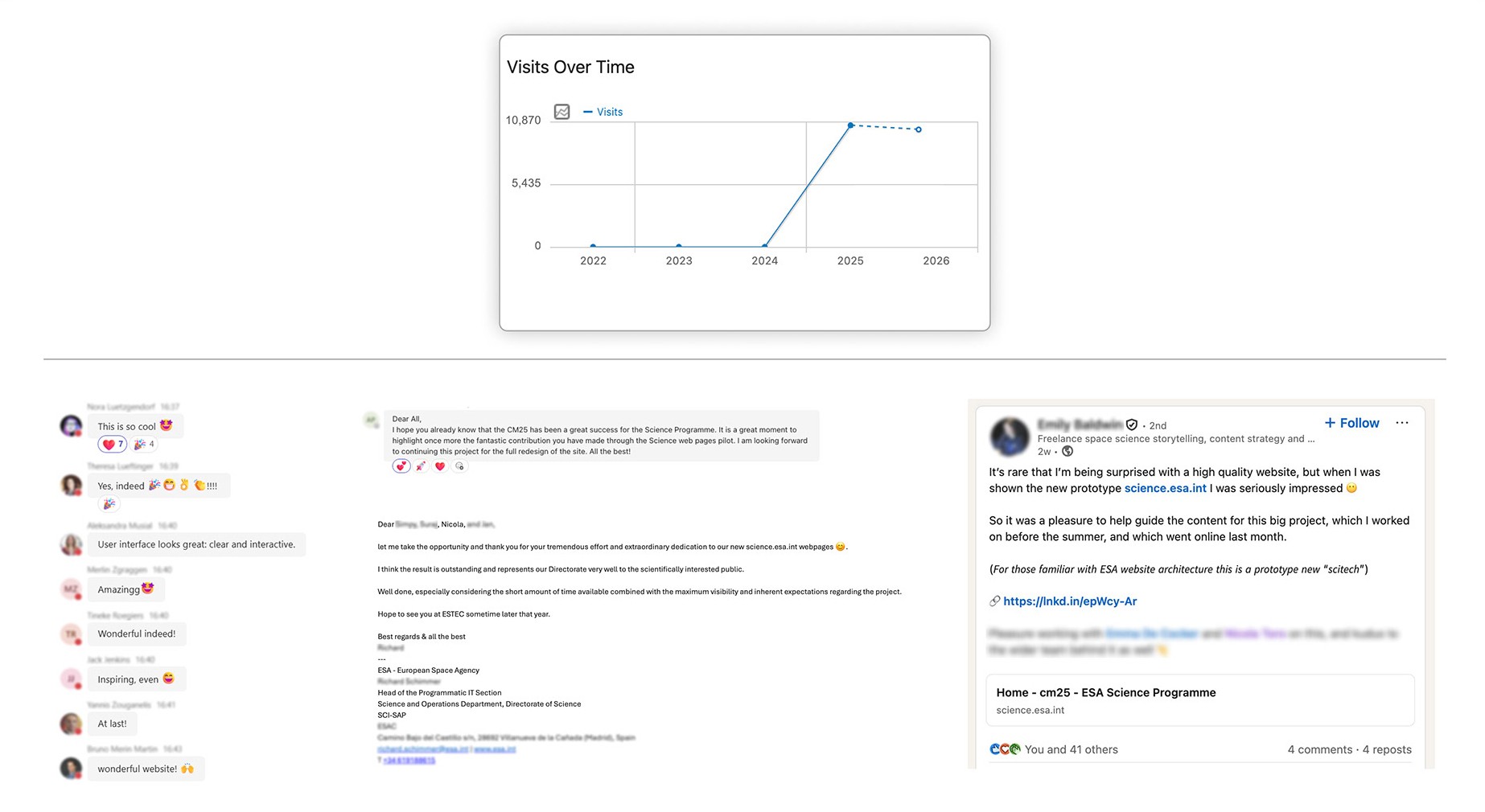
The live launch marked our first opportunity to gather feedback from users engaging with the platform at scale. This data was vital in assessing performance beyond controlled scenarios, allowing for iterative improvements based on actual search behaviors.
Website visits over time (Matomo), alongside user feedback from social media, email, and chat.
Design as a Strategic Decision Tool.
This project reinforced that when UX is integrated through a structured methodology, it transcends aesthetics to become a tool for organizational clarity. A key takeaway for future iterations is the value of even earlier cross-functional integration between Design and Marketing to maximize long-term user adoption.
Multidisciplinary Alignment.
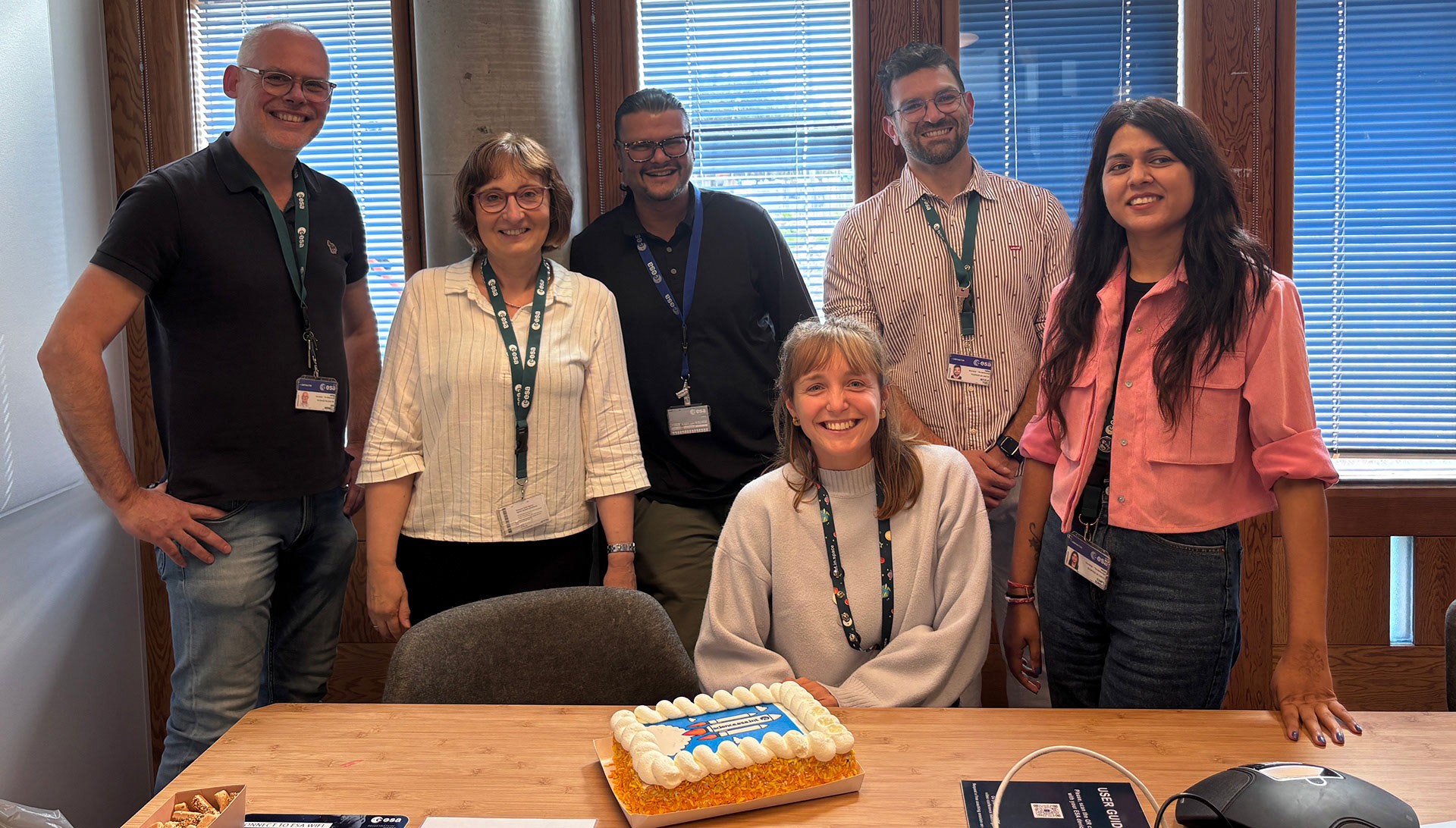
This pilot was delivered by a compact, highly cross-functional team, with me leading UX and strategy end-to-end. I worked in close collaboration with scientists and engineers to ensure full technical and scientific accuracy, translating complex domain knowledge into usable digital experiences without loss of meaning. I partnered with platform architects to align on feasibility, performance constraints, and long-term scalability of the system, ensuring design decisions could be sustainably implemented. In parallel, I coordinated with content specialists to align narrative structure, tone, and messaging consistency across all ESA directorates, ensuring a unified and coherent experience across the ecosystem.
ask
Nick AI