year 2024
Key contribution
UX/UI
user testing
RESEARCH & DISCOVERY
EXPERIMENTATION
Feature development
design system
Result
+
ENEco SME Sales Conversion
//
overview
//
Eneco SME Sales Funnel
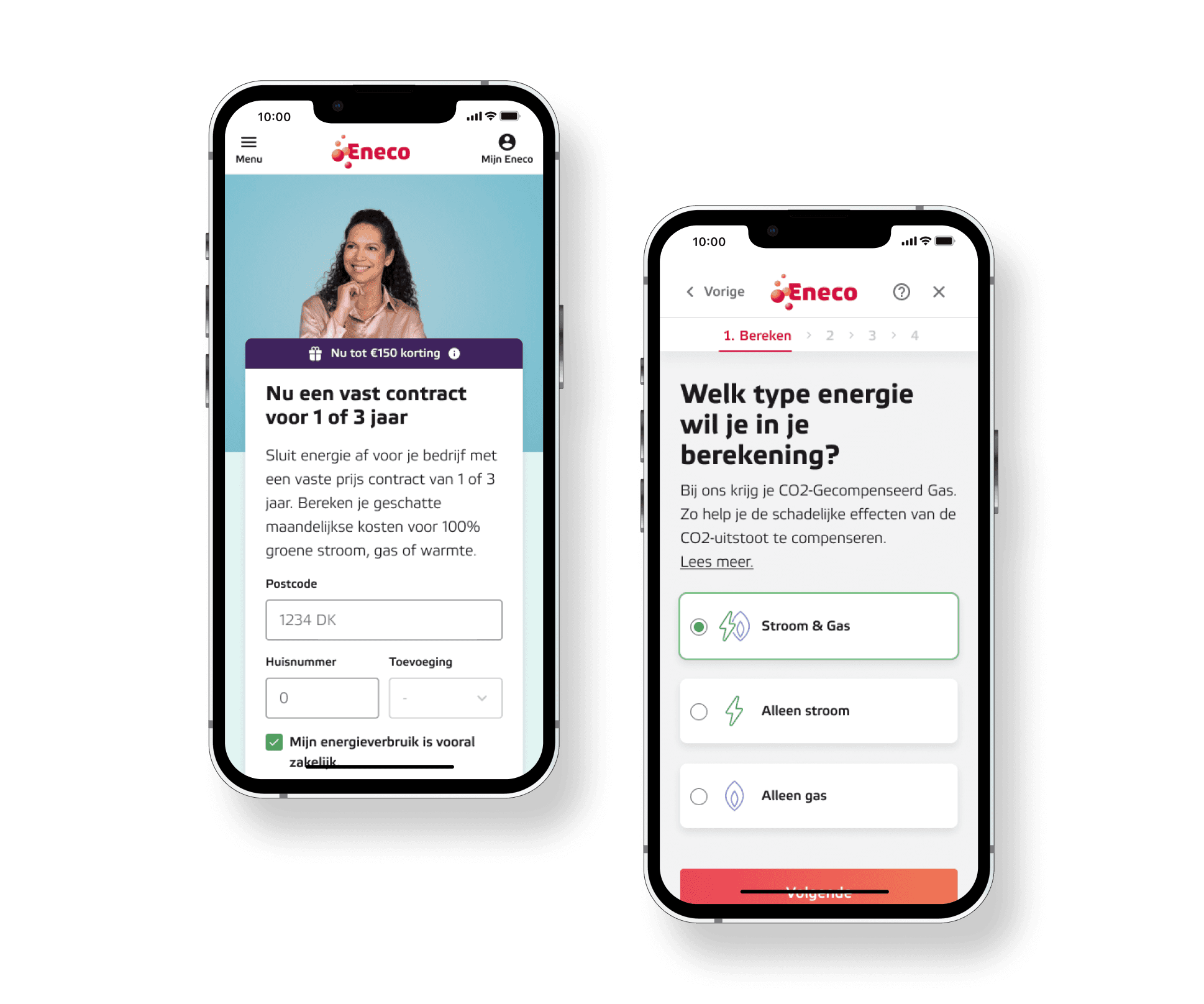
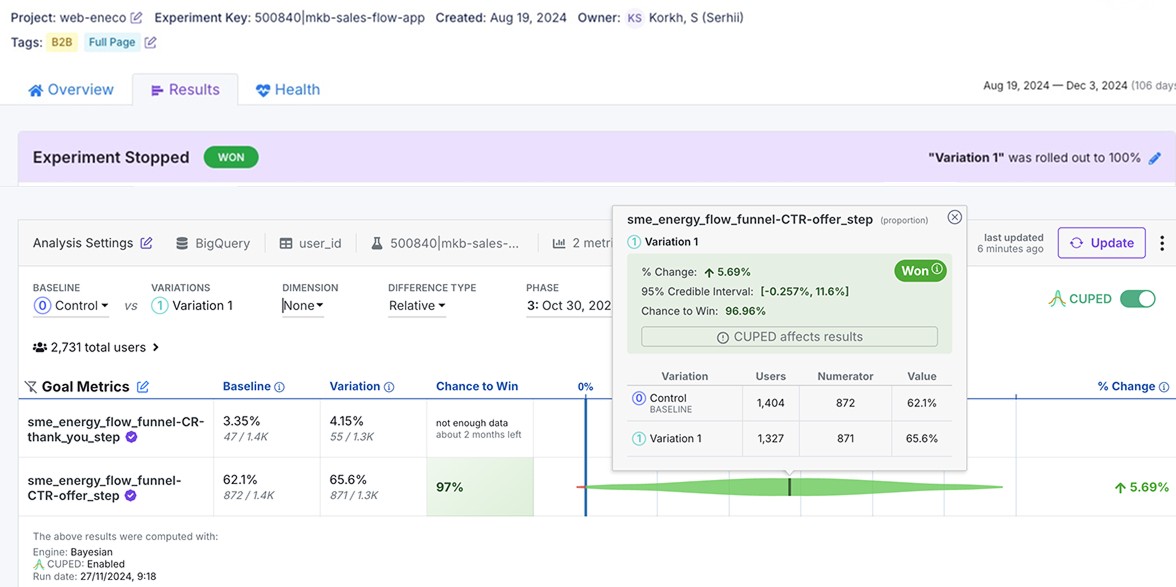
Eneco's SME sales funnel was converting just 2.7% of users, with mobile performance nearly half that of desktop. I led a full research-to-delivery cycle: discovery workshops, emotional journey mapping, prototype testing, and a 50/50 A/B test with 100% statistical confidence. Result: 65.6% CTR on the offer step (+5.7% uplift) and a 24% lift in final conversions, the winning variation was fully rolled out.
Tools used







A Funnel Losing Customers at Every Step
Data analysis revealed four issues driving drop-off:
➔ Funnel Friction: Too many steps → high drop-off
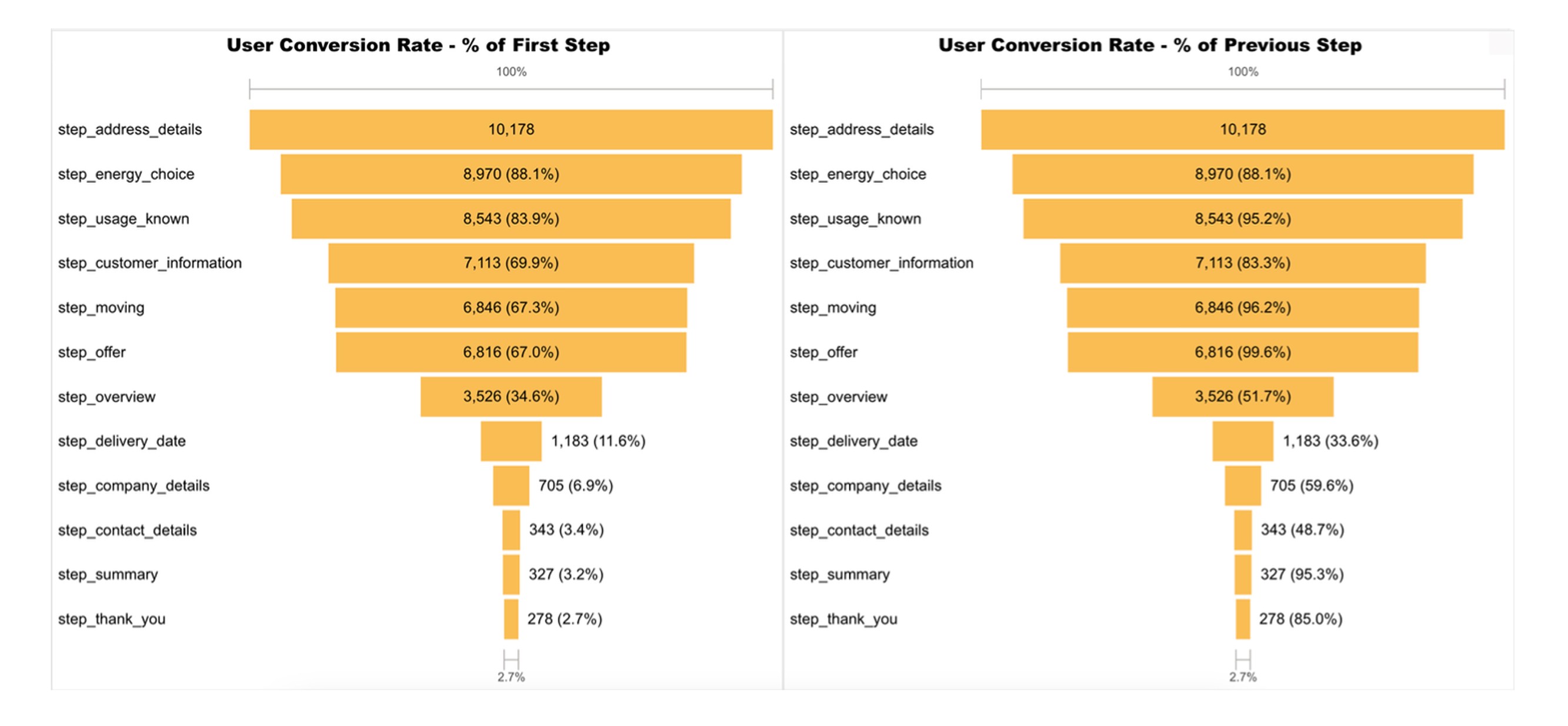
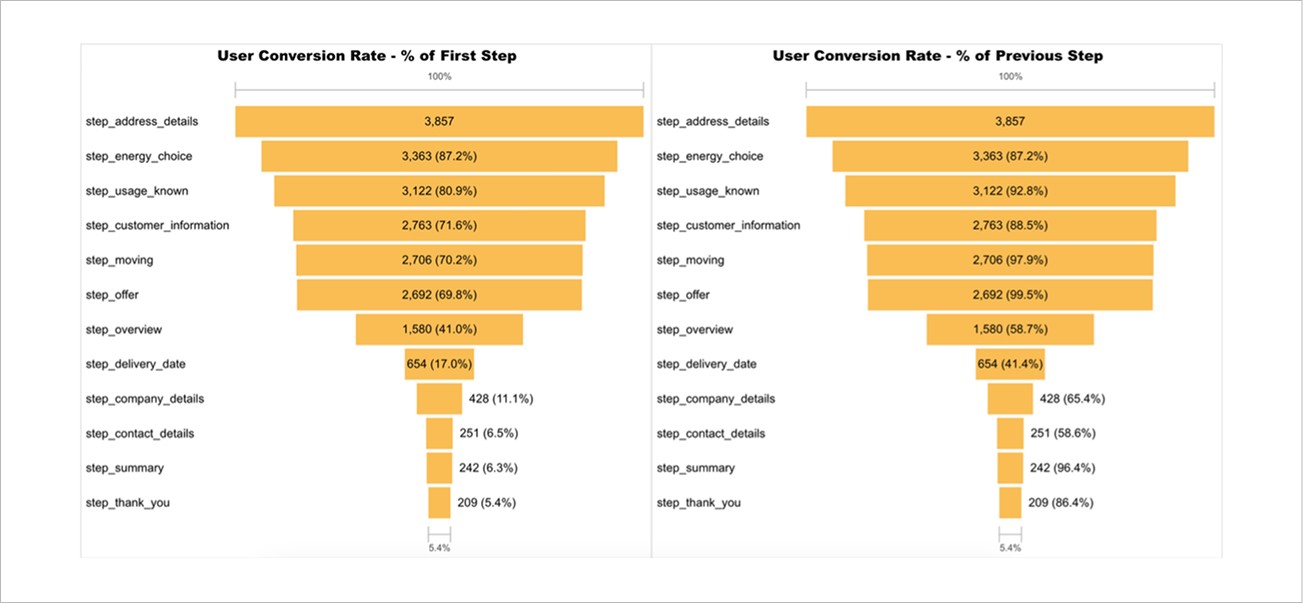
➔ Conversion Rate: 2.7% of ~10,000 users completed
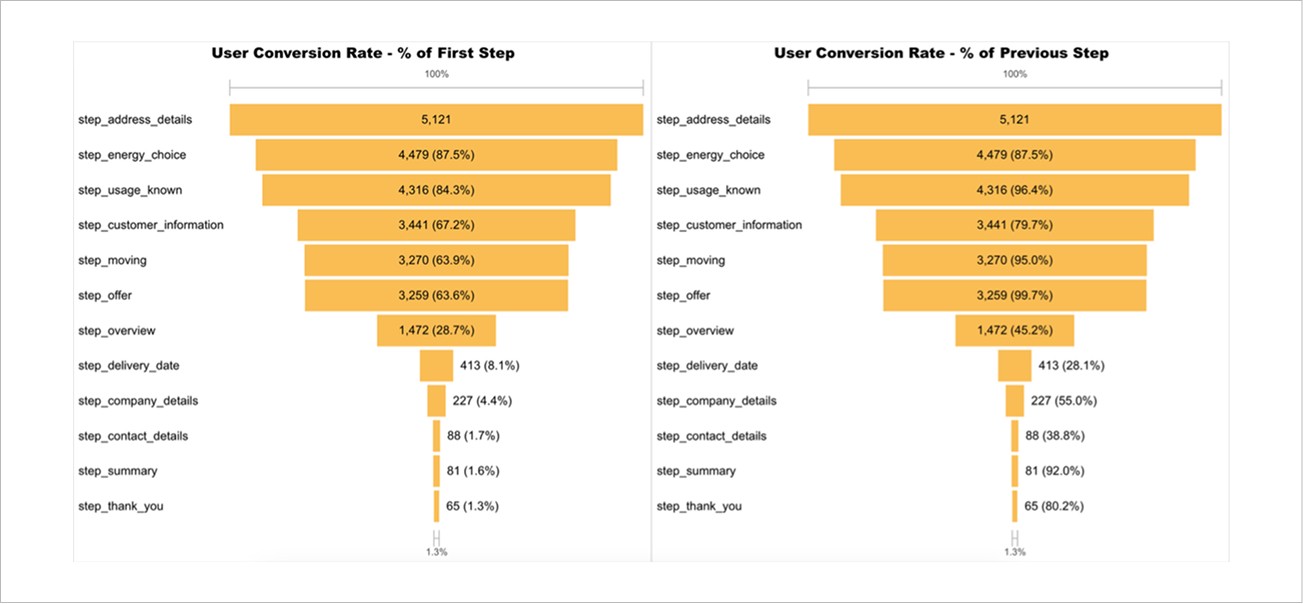
➔ Device Gap: More mobile traffic, but higher desktop conversion
➔ Pricing Impact: Premium pricing may reduce competitiveness
old flow & tags - Funnel friction

SME Sales funnel lead generation (Conversion rate: 2.7% - Data Range: 12/20/2023 - 2/18/2024)
Mobile users only (Conversion rate: 1.3% - Data Range: 12/20/2023 - 2/18/2024)
Desktop users only (Conversion rate: 5.4% - Data Range: 12/20/2023 - 2/18/2024)
Mapping the Emotional Journey
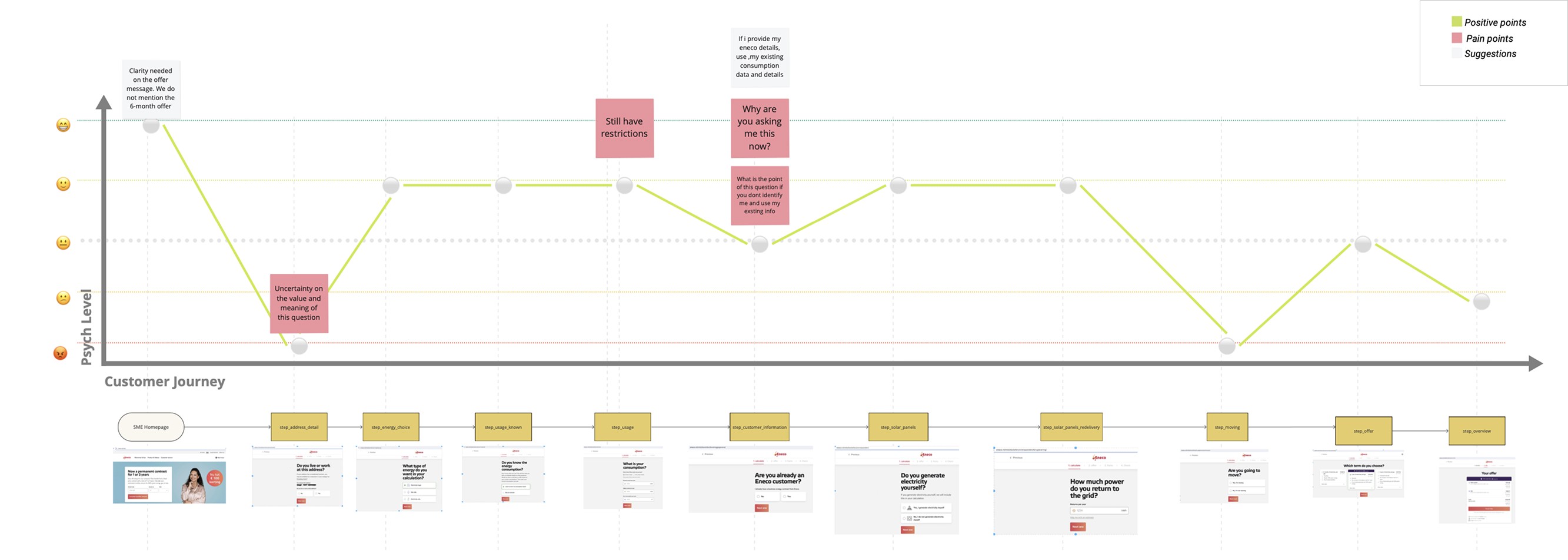
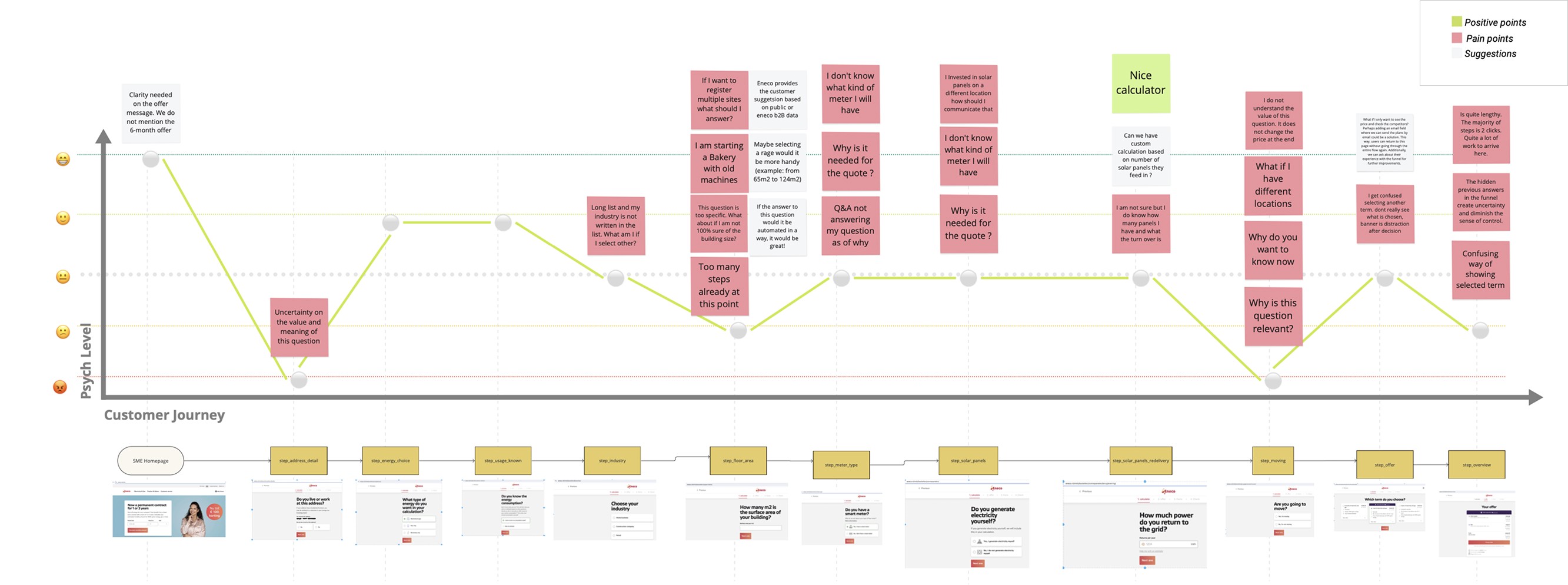
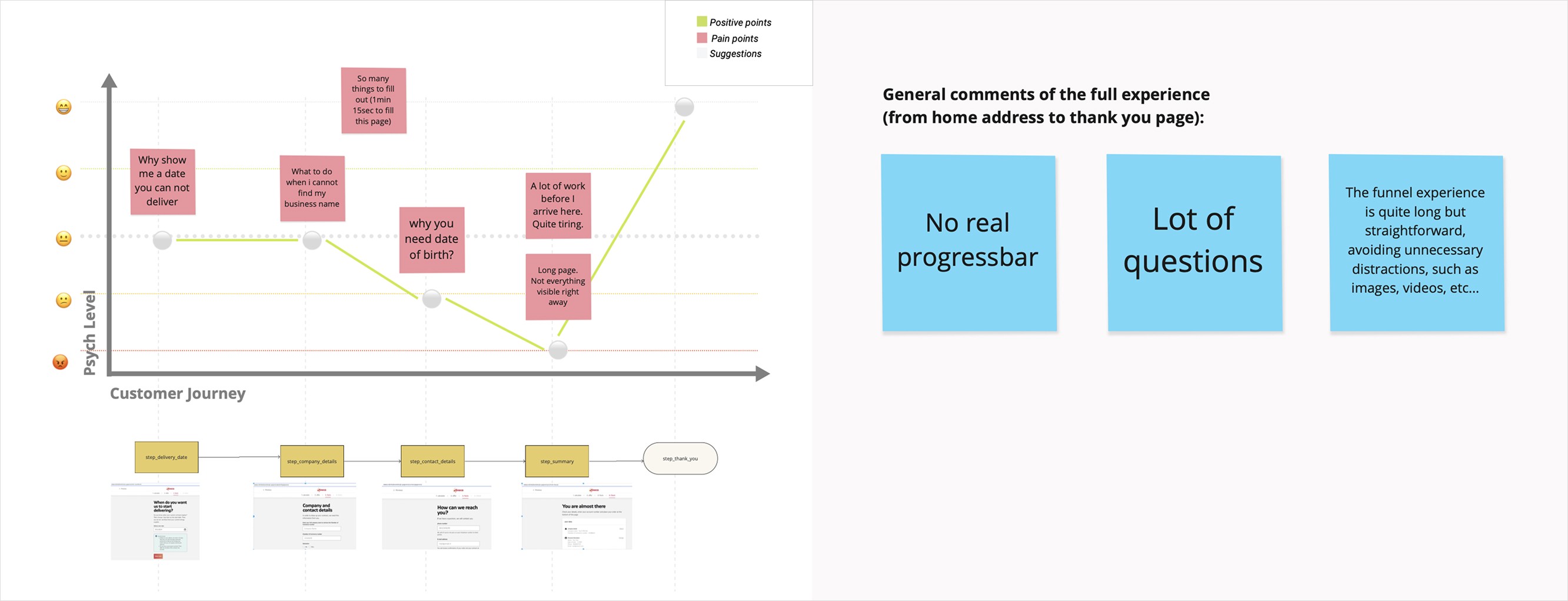
The core finding: users weren't dropping off because of pricing, they were dropping off because of friction and confusion. I led a cross-functional workshop to map the emotional journey across three user flows, identifying the exact moments causing most of the loss:
➔ Flow 1: I know my consumption
➔ Flow 2: Help me estimate
➔ Flow 3: Checkout after selecting the offer.
From the workshop, we developed several hypotheses about user experience challenges, which we then validated through user interviews. In the workshop, we used an emotional journey map to understand how users felt at different stages of the funnel. This map showed where users felt frustrated or satisfied. Our goal was to find these key moments and use them to make the user journey smoother and more engaging.
Emotional journey map workshop (clustered feedbacks) - Flow 1: I know my consumption
Emotional journey map workshop (clustered feedbacks) - Flow 2: Help me estimate
Emotional journey map workshop (clustered feedbacks) - Flow 3: Checkout after selecting the offer.
User testing
In collaboration with the product researcher, we designed a script and conducted interviews with several users. Each participant navigated the old funnel while sharing their thoughts and emotions aloud.
old funnel flow


Five Opportunities, Prioritised
Based on the research and user feedback, we identified and prioritized the following areas for optimisation:
➔ Simplified Journey: Fewer steps, less drop-off
➔ Email Option: Save and review later
➔ One-Page Offer: Clearer pricing in one view
➔ Clear Questions: Less confusion, lower cognitive load
➔ Auto-Fill leveraging API: Less manual input
Prototyping
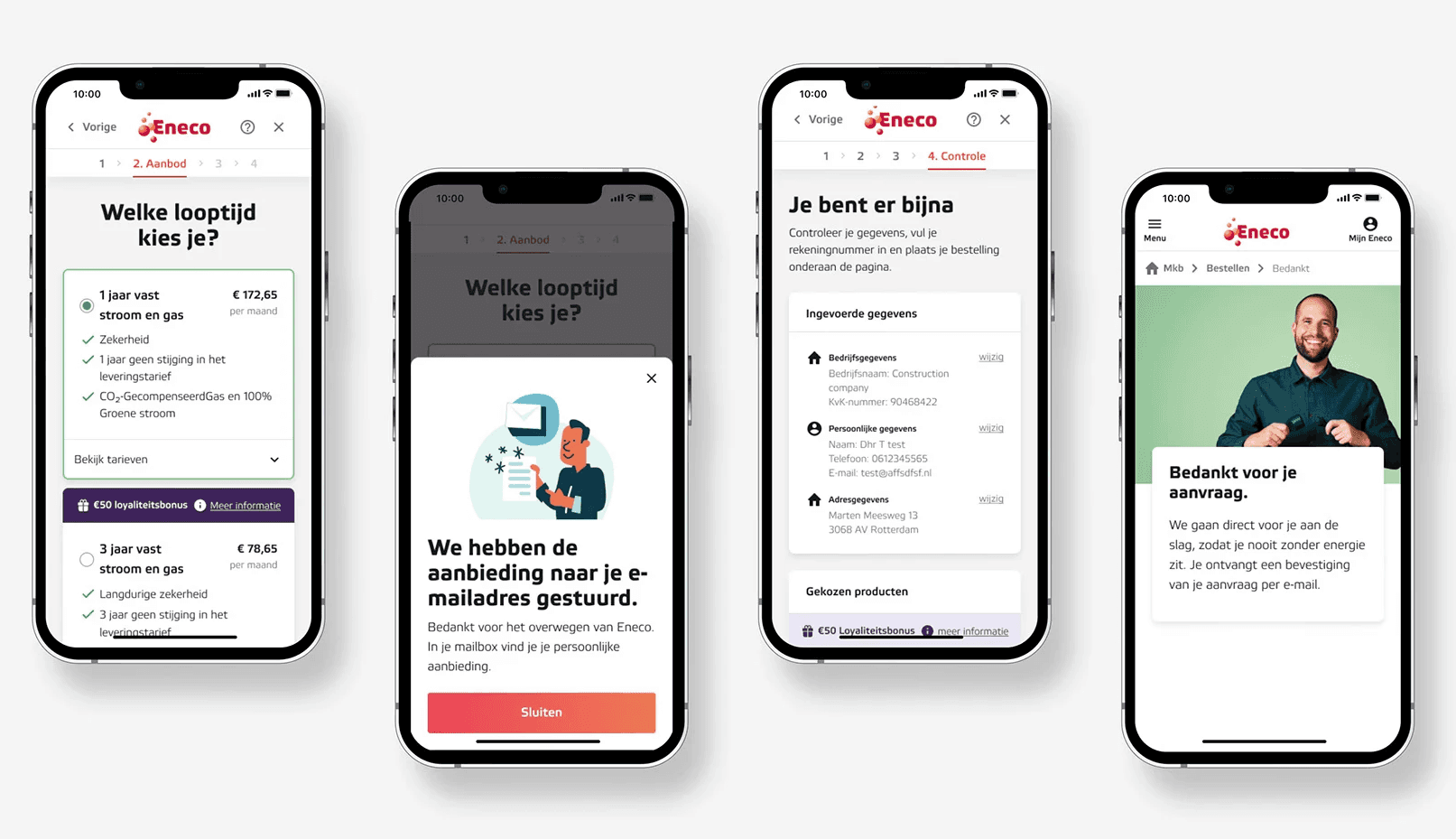
Combining benchmark analysis, workshop findings, and interview insights, I developed high-fidelity prototypes and tested them with real users before any development began.
Example of prototype tested:


personal opinions
The tests validated the changes and demonstrated an improved user experience, especially for those familiar with the previous funnel. Even users who hadn’t used the previous version found the new flow intuitive and quite fast.
Design insight: After developing the high-fidelity prototypes and testing them with users, I noticed that while the overall improvements were well-received, the sales flow still needed further refinement. Specifically, users didn’t perceive the stepper clearly, which could lead to unnecessary confusion. To address this challenge, would require a company-wide alignment, as adjusting the stepper logic would affect all flows across the website, both B2C and B2B. At this stage, our focus was primarily on validating the key hypotheses, so we avoided a full overhaul of the flow. Additionally, delivering a completely different experience might confuse users, especially during A/B testing. Based on feedback from the Growthbook team, we decided to implement changes gradually, rather than overwhelming users with two completely distinct flows. This approach ensures a smoother transition and more reliable test results.
E-mail Me the Offer
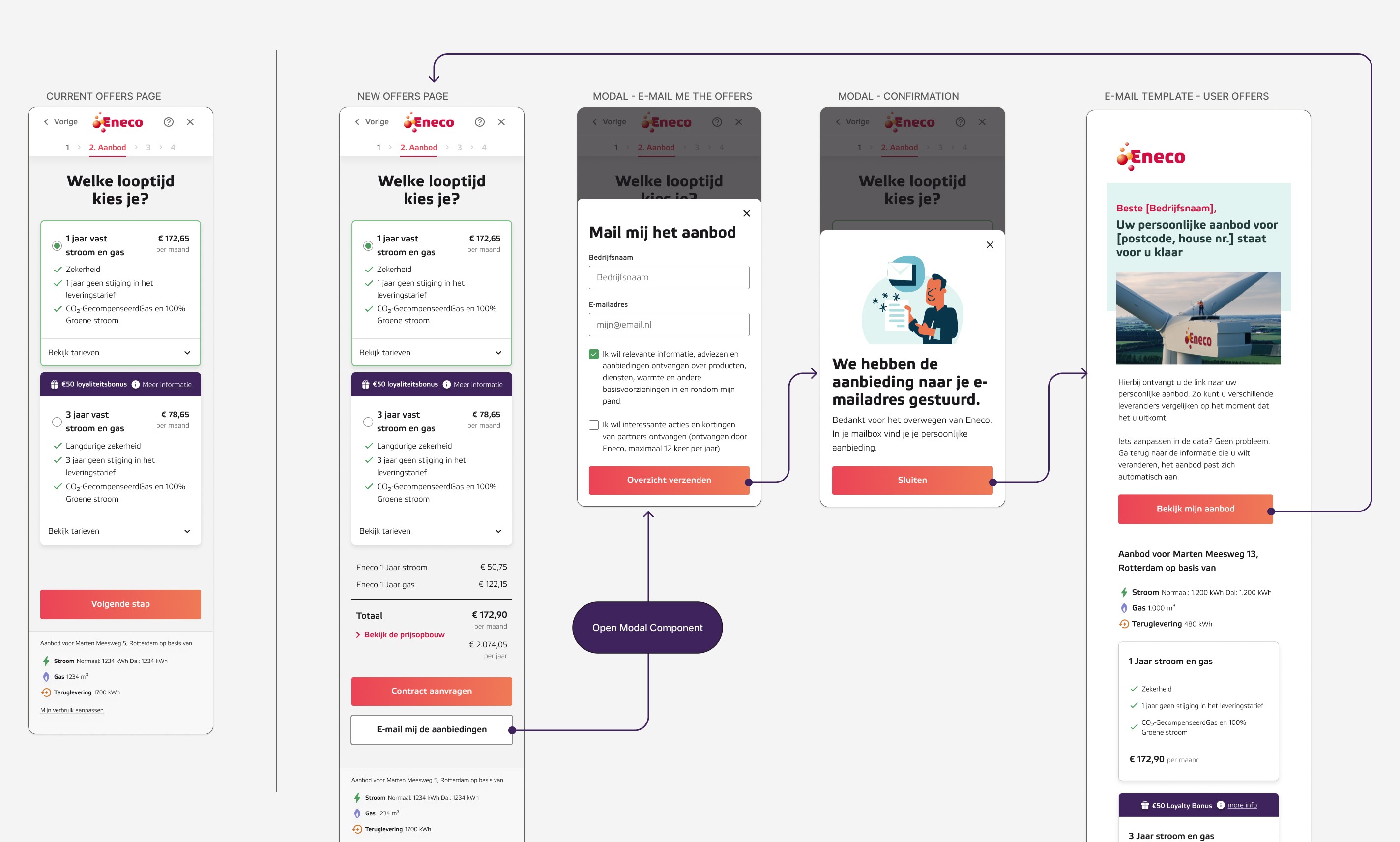
One of the standout features of the redesign was the “E-mail Me the Offer” functionality, which provided users with:
➔ The ability to email offers for later review.
➔ A quick return to the offer page without re-entering any details.
Flow - e-mail Me the Offer (Current vs new)
A/B Testing
To measure the impact of the full Sales Flow optimizations, we prepared a 50/50 A/B test (In The Netherlands) comparing the original and redesigned funnels.
Key metrics:
➔ Primary Metric: Percentage of users reaching the offer step (Reduction in drop-offs).
➔ Secondary Metrics: Average conversion rate at the thank-you step.
➔ Guardrail Metrics: Cancellation rate, customer satisfaction, page load time, and page exit rate.
We also planned to introduce Hotjar, which wasn't available initially, to gain deeper insights into user behaviour throughout the funnel.
the impact
The 50/50 A/B test ran in the Netherlands with 100% statistical confidence. The winning variation was fully implemented, delivering a 65.6% CTR on the offer step (+5.7% uplift) and a 24% lift in final conversions, directly strengthening SME acquisition and monthly recurring revenue.
experimentation results - sme sales flow
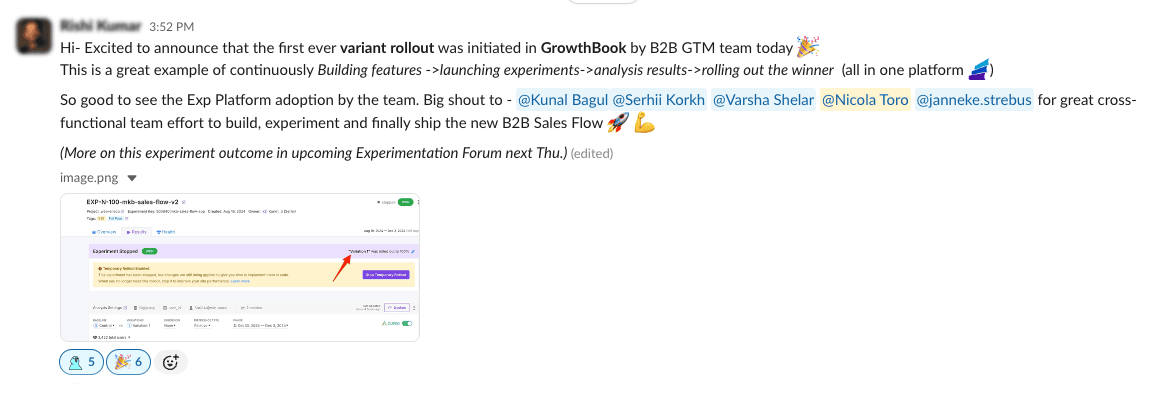
Experimentation Owner Announcement (Slack)
Lesson Learned
Conversion optimisation is a team sport, design, product, data, and marketing need to move together. The biggest lesson: even well-validated improvements need incremental rollout to avoid confusing users mid-journey. Shipping "Email Me the Offer" as a standalone win before overhauling the full flow was the right call. Next time, I would build a shared experimentation roadmap with growth and analytics from day one, not after the first prototype.
ask
Nick AI